
Importing stretch film from China can cut costs and open up custom roll sizes, but the lowest factory quote doesn’t automatically give you the lowest landed cost. Minimum order quantity, production time, container loading, export packing, customs classification, and the actual amount of film on each roll all affect what you really pay per unit.
The practical approach is to treat the order like a controlled supply project. Figure out exactly what film you need before asking for a price, verify the supplier is legit, approve a sample, specify how it gets packed for sea freight, and inspect the finished lot before releasing the final payment. If you still need to work out film type, thickness, or load requirements, start with this stretch film selection guide before comparing quotes.
The ranges in this guide are planning references, not guarantees. Confirm the final MOQ, production schedule, container payload, tariff classification, and destination charges for each order and route.
Table of Contents
- Define the product and China stretch film MOQ
- Build a realistic stretch film lead time
- Plan shipping and export packaging for stretch film
- Complete stretch film supplier verification in China
- Run pre-shipment quality checks before final payment
Define the product and China stretch film MOQ
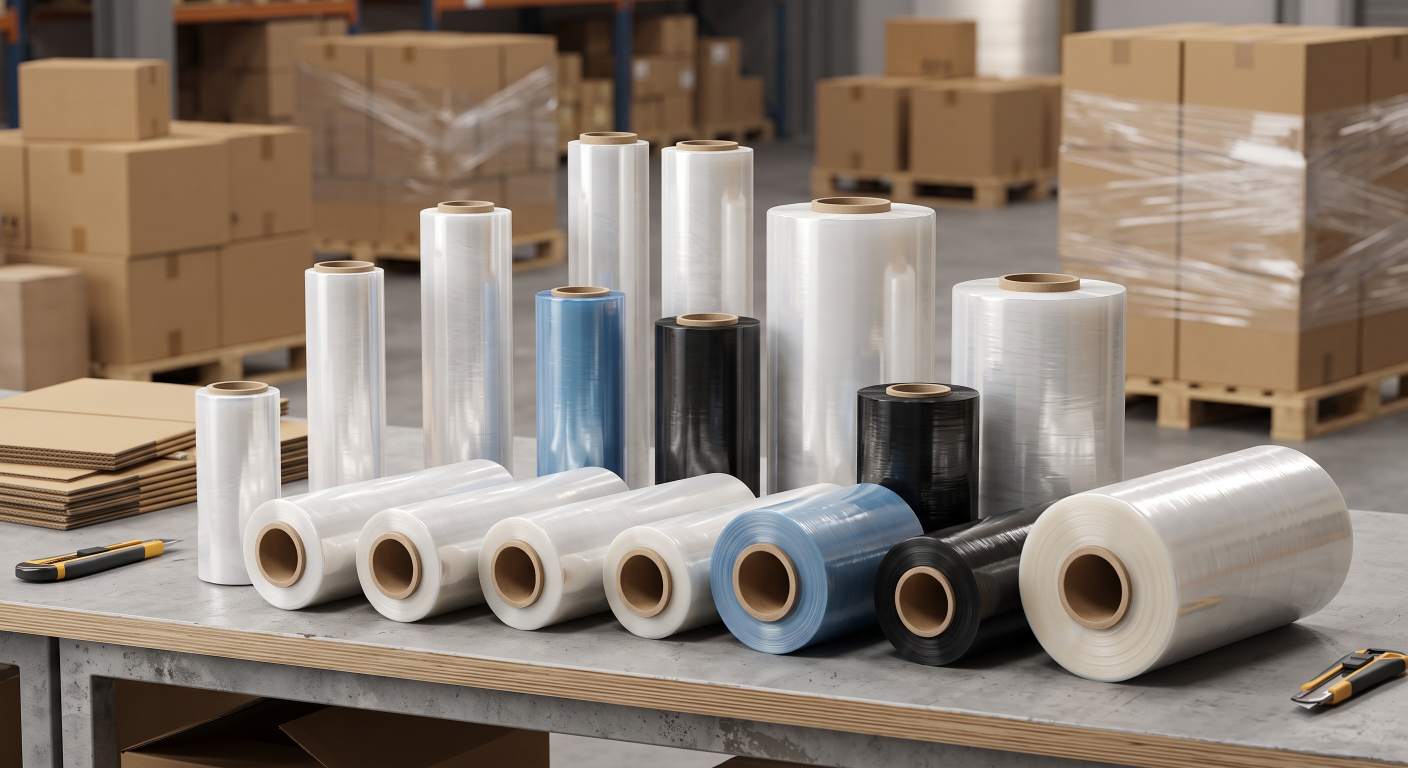
MOQ is driven by production efficiency rather than roll count alone. A factory has to stage resin, set up the line, stabilize thickness and width, slit the film, wind the rolls, and change packaging materials. Standard transparent LLDPE pallet wrap normally fits into an existing production schedule more easily than a custom color, printed film, unusual core, or tight tolerance specification.
Compare standard, custom, LCL, and FCL orders
The supplied market research indicates a typical China stretch film MOQ of about 1 to 3 metric tons for standard specifications. Custom gauges, colors, printing, private labels, or nonstandard roll configurations may push that higher, depending on masterbatch, packaging, and changeover costs. Treat those figures as an RFQ starting point; get a written MOQ for the exact SKU rather than assuming one factory-wide number.
Container planning matters because stretch film is dense. Broad loading references run approximately 10 to 15 metric tons for a 20GP and 22 to 26 metric tons for a 40HQ. Actual payload depends on roll dimensions, cartons, pallets, axle and road limits, carrier rules, and the container’s verified maximum gross mass.
| Order method | When it can make sense | Main cost or risk |
|---|---|---|
| LCL | Trial order, several SKUs, or demand below a container load | Consolidation fees, more handling points, longer dwell time, and greater carton or edge damage |
| 20GP FCL | Dense product and moderate replenishment volume | Better cargo control, but payload and warehouse inventory must be planned carefully |
| 40HQ FCL | Stable high-volume demand or mixed stretch-film SKUs | Stronger freight utilization, but more cash and safety stock are tied up |
Don’t compare only FOB price per kilogram. Compare landed cost per kilogram of net film, including origin charges, ocean freight, insurance, duty, customs fees, inland delivery, inspection, damage allowance, and inventory carrying cost.
Send a complete RFQ and approve a free sample
An RFQ should specify hand or machine application, cast vs. blown film, resin or recycled-content requirement, physical thickness in microns, width, net film weight, roll length, core inside diameter, cling side, color, stretch target, packaging, monthly volume, destination, and Incoterm. Use Tuosheng’s stretch film thickness guide to keep gauge, mil, and micron descriptions consistent, and review the cast vs blown stretch film guide when puncture risk or clarity affects the choice.
Tuosheng can customize thickness, width, roll length, color, core configuration, cartons, private labels, and pallet packaging to match the buyer’s application. For automated lines, share the wrapper model, pre-stretch ratio, current roll dimensions, pallet profile, and containment target when requesting machine stretch film.
Free samples are available for quality evaluation; courier arrangements depend on the destination and project. Test the sample on the actual load and equipment. A sample that looks clear and feels strong by hand hasn’t yet proved unwind consistency, puncture performance, containment, or film usage per pallet.
Build a realistic stretch film lead time
The quoted production time is only one part of landed lead time. A five-day extrusion slot doesn’t mean the cargo will arrive in five days, and an ocean schedule isn’t a guaranteed delivery date.
Separate production from logistics
Research suggests a 5 to 20 day factory production range for standard LLDPE stretch film, plus roughly 15 to 35 days for ocean transit plus port and customs processing. That puts a baseline at about 20 to 55 days after specification approval, but it doesn’t account for sample approval, custom packaging development, peak-season congestion, rolled sailings, customs holds, or final-mile appointments.
Build the schedule in separate stages:
| Stage | Planning treatment | Buyer control point |
|---|---|---|
| Specification and sample approval | Project-dependent | Freeze the signed specification and approved sample |
| Material staging and production | Research reference: 5 to 20 days | Confirm start date, completion date, and lot plan |
| Inspection and corrective work | Add time before vessel cutoff | Don’t schedule inspection on the same day as loading |
| Origin transport and export handling | Port- and booking-dependent | Confirm booking, cutoff, container loading date, and documents |
| Ocean transit | Route- and service-dependent | Use the forwarder’s current sailing plan, not a generic website estimate |
| Customs and final delivery | Destination-dependent | Pre-classify the product and prepare documents before arrival |
The useful stretch film lead time is the interval from purchase-order release to warehouse availability. Add a safety-stock buffer based on demand variability and route reliability, then place reorders against that full interval.
Clarify Incoterms, customs classification, and documents
FOB normally shifts the main-freight arrangement to the buyer after the agreed shipment point, while CIF includes specified freight and insurance to the named destination port. DDP shifts more delivery responsibility to the seller, but it doesn’t remove the buyer’s need to understand importer-of-record, tax, compliance, and destination-charge arrangements. State the named place and Incoterms edition in the contract.
Polyethylene stretch film is commonly classified under HS heading 3920.10, but the final classification can depend on material composition, cellular structure, reinforcement, thickness, and national tariff subdivisions. U.S. importers can check the current USITC Harmonized Tariff Schedule; buyers elsewhere should confirm the local schedule with their customs broker before shipment.
Align the commercial invoice, packing list, bill of lading, certificate of origin when required, insurance document, and wood-packaging declaration. Product description, gross weight, net film weight, carton count, pallet count, and Incoterm should agree across the document set.
Plan shipping and export packaging for stretch film
Sea freight can turn a conforming roll into unusable material. Crushed cores may not mount correctly; a small edge nick can propagate into repeated web breaks; moisture can weaken cartons and paper cores. The export packing specification belongs in the purchase order, not in an informal message after production.
Specify roll, carton, pallet, and moisture protection
Effective export packaging for stretch film should address four levels:
- Roll: clean, square edges; protective film or bag; correct winding direction; a strong 3-inch (76 mm) paper core where specified; and plastic end plugs when needed to resist core crushing.
- Carton: dividers or close-fitting arrangement that prevents roll movement; adequate compression strength for stacking; sealed against dust and incidental moisture; clear SKU and lot identification.
- Pallet: stable footprint, corner and edge protection, top sheet, controlled pallet overhang, and secure unitization. If wood packaging is used, require treatment and marking accepted by the destination country’s rules.
- Container: dry, clean, odor-free interior; sound floor and walls; balanced load distribution; blocked or braced pallets; desiccant or moisture control where route conditions justify it.
Paper core wall thickness should be agreed for heavy machine rolls, but a single universal thickness isn’t appropriate. Required strength depends on roll weight, width, stacking orientation, carriage design, and transit load. Ask the supplier to state core dimensions and compression performance for the proposed roll.
Inspect loading and receiving condition
Before sealing the container, photograph empty-container condition, pallet faces, corner protection, labels, container loading, blocking, seal number, and closed doors. Record container and seal numbers on the shipping documents. For LCL shipments, require stronger carton and pallet protection because the cargo may be handled repeatedly during consolidation and deconsolidation.
At destination, check the seal before opening, photograph the first view of the cargo, and record crushed cartons, wet packaging, leaning pallets, telescoped rolls, damaged cores, or nicked edges before unloading progresses. Preserve packaging, roll labels, and transport documents for any claim. FOB terms don’t by themselves eliminate transit-damage risk, so insurance and claim responsibilities must be settled before departure.
Complete stretch film supplier verification in China

A polished website, marketplace badge, or video call doesn’t prove that the contracting company legally exists or operates the factory shown. Stretch film supplier verification China should combine official registry data, document matching, and production-capability evidence.
Run the NECIPS / GSXT business license check
Ask for a clear Chinese business license and the company’s full Chinese legal name. Search the official National Enterprise Credit Information Publicity System using that name or the 18-character Unified Social Credit Code. Verify:
- registration status and establishment date;
- legal name, legal representative, and registered address;
- Unified Social Credit Code;
- registered capital and available annual-report information;
- business scope (经营范围);
- abnormal-operation or serious-illegality listings where displayed.
Look for manufacturing-related language such as 生产, 制造, 塑料制品制造, or packaging-material production in the business scope. Translation may vary, and business scope alone doesn’t prove current capacity. NECIPS access can also be slow or regionally inconsistent, so retain screenshots and match them against the license.
The beneficiary name on the bank account, contracting seller, invoice issuer, and business license should be reconciled. If payment is requested to an unrelated entity or personal account, stop and obtain a documented explanation before proceeding.
Distinguish a manufacturer from an intermediary
Registered capital is a screening input, not proof of factory size, paid-in capital, or product quality. Compare the supplier’s claims with its registered address, annual filings, social-insurance employee information where available, production videos, utility and capacity records, quality-control equipment, raw-material storage, roll traceability, and export documents.
A real-time video audit should move from the exterior company sign through raw materials, extrusion or film production, slitting/rewinding, QC, finished-goods storage, and loading areas without unexplained cuts. For higher-risk orders, commission an independent SGS supplier verification or factory audit, then verify the report or certificate through the issuing body.
Trading companies aren’t automatically unsuitable. They may consolidate several products, support small mixed orders, or manage export paperwork. The issue is disclosure: know which entity manufactures the film, which entity owns the quality obligation, and who can authorize corrective action.
Run pre-shipment quality checks before final payment

Inspection should compare production against the signed specification and approved sample. Define the sampling plan, defect categories, acceptance limits, test methods, and reinspection responsibility in the purchase order rather than negotiating them after a failure.
Verify dimensions, performance, packaging, and net film weight
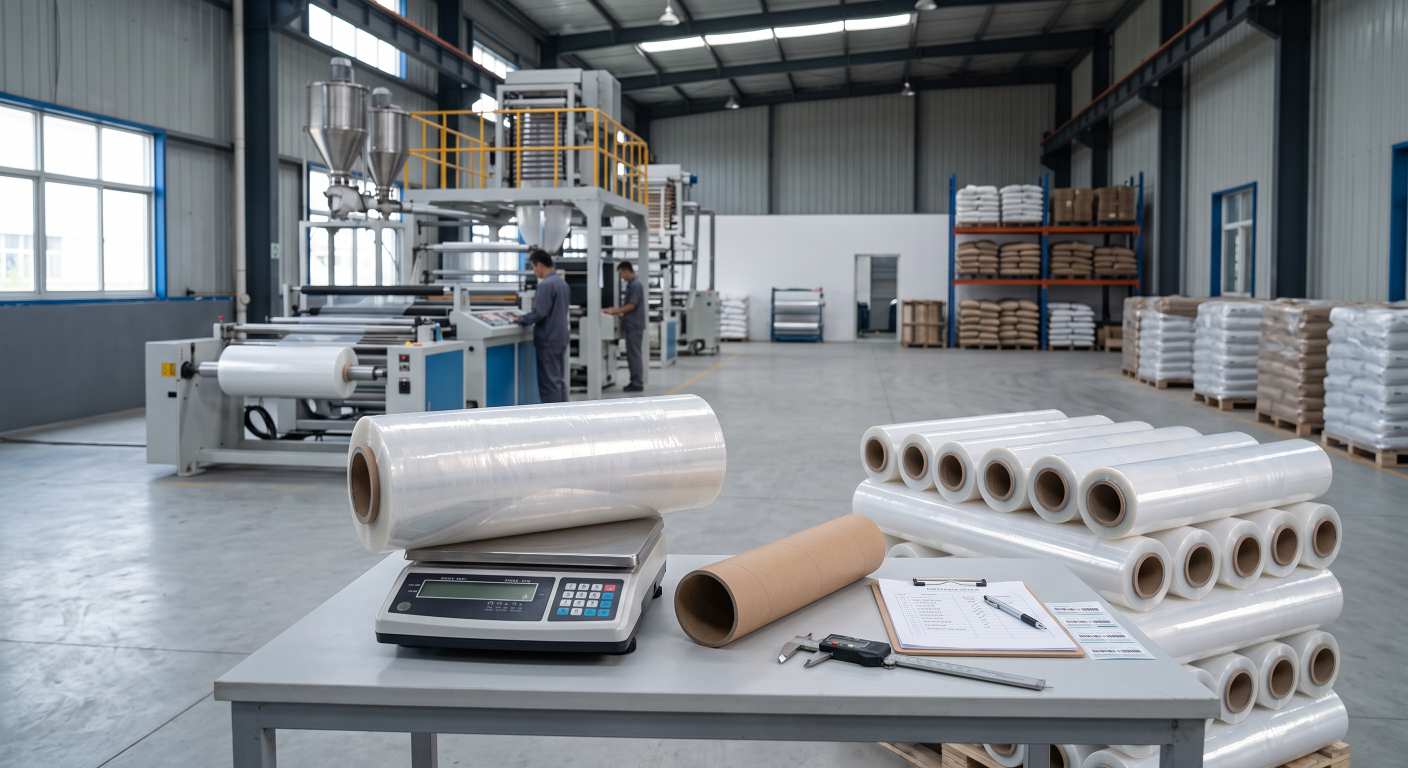
Select rolls randomly across pallets and production lots. Don’t let the factory present only prepared samples. Check:
- film type, color, clarity, cling side, winding direction, and surface defects;
- width, physical thickness at multiple positions, roll diameter, core ID, and roll length or validated yield;
- roll edges, telescoping, splices, blocking, unwind behavior, and carton/pallet packing;
- tensile strength and elongation against the agreed specification using ASTM D882-26 or another agreed current method;
- falling-dart impact using ASTM D1709-24, with the same method and specimen conditions used for the approved reference;
- applied-load performance, including breaks, punctures, film usage, and stretch film containment force where relevant.
ASTM D882 and D1709 are comparison and specification tools; they don’t create one universal pass value for every stretch film. State the required test direction, specimen conditioning, method, units, and acceptance range. Don’t convert a high elongation-at-break value directly into a guaranteed machine pre-stretch ratio.
Net film weight deserves its own inspection line. Some quotations obscure value by emphasizing gross roll weight, which includes the paper core. The robust method is to weigh selected full rolls, determine the actual empty-core weight from the same core batch, or destructively remove the film from sampled rolls, and calculate:
Net film weight = gross roll weight - actual paper core weight - removable packaging
Tuosheng net-weight commitment: Tuosheng states stretch-film weight as the net plastic film weight, excluding the paper core. Core weight is listed separately and isn’t used to inflate the quoted film weight. Buyers therefore compare and pay for the film quantity specified, not hidden paper-core weight.
Record individual results, average, tolerance, scale calibration, sample roll numbers, and photos. A core catalog weight is weaker evidence than a core taken from the inspected production batch.
Use a final procurement checklist
Before order release, confirm:
- Signed specification, approved sample, tolerances, test methods, and packaging drawing.
- Written MOQ by SKU, total net film weight, unit basis, Incoterm, named place, and quotation validity.
- Production, inspection, loading, sailing, and expected-arrival milestones.
- NECIPS record, legal-entity match, bank details, and factory-audit evidence.
- Pre-shipment sampling plan, inspection report, corrective-action process, and retained samples.
- Shipping documents, customs classification review, cargo insurance, and destination charges.
- Payment milestones linked to verifiable events. A 30% deposit and 70% balance arrangement is common in some transactions, but the appropriate structure depends on commercial risk; don’t release the balance merely because production is said to be complete.
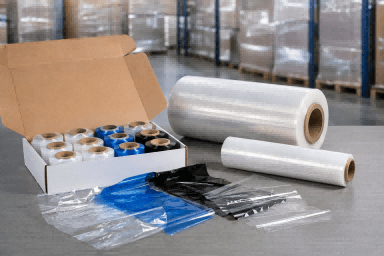
Biodegradable or compostable options should be treated as separate specifications because shelf life and load-retention behavior may differ from conventional LLDPE pallet wrap. Require application testing rather than assuming performance parity.
The best import order is measurable from quotation to receiving. Tuosheng can customize the film and export packaging around the buyer’s load, equipment, branding, and shipping requirements, and free samples are available for pre-order evaluation. Send the target specification, monthly volume, pallet application, destination port, and required Incoterm to build a comparable quotation. Make net film weight, not gross roll weight, the commercial basis of the order.
Need Help Choosing the Right Stretch Film?
Every packaging application has different requirements. Share your wrapping method, load type and specifications, and Tuosheng Pack can help recommend a suitable stretch film solution for your business.
Suggestions based on product type, wrapping method and performance needs.
Support for thickness, width, roll size, color and packaging requirements.
Working with distributors, wholesalers and industrial packaging buyers.
Recommended Tuosheng Pack Solution
For buyers looking for reliable stretch film solutions, Tuosheng Pack supplies hand stretch film, machine stretch film, pre-stretched film and specialty packaging films with customizable thickness, width, roll length and packaging options.
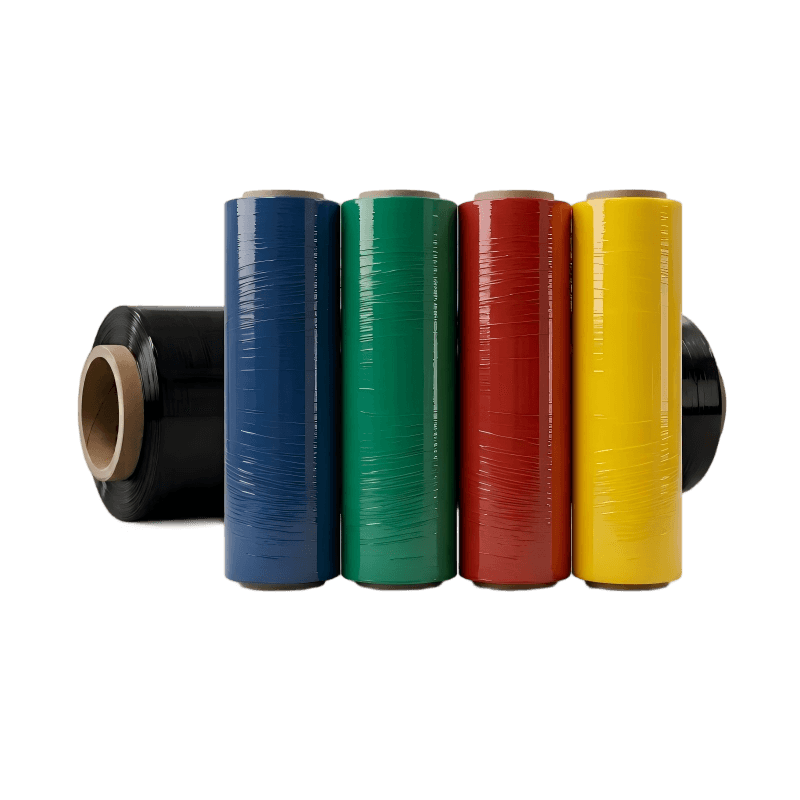
Colored Stretch Film
Custom color options for product identification, privacy protection and branded packaging needs.
Learn More →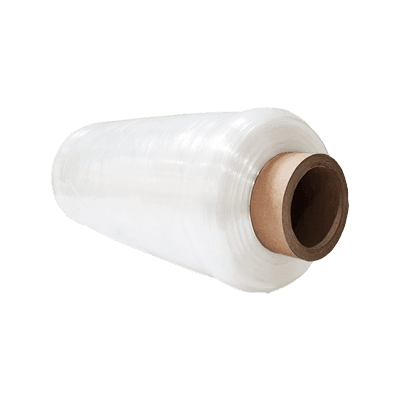
Pre-Stretch Film
Lightweight pallet wrapping solution helping reduce material consumption while maintaining load security.
Learn More →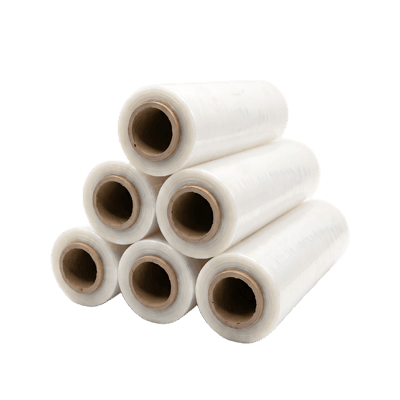
Machine Stretch Film
High-performance film designed for automated pallet wrapping operations with consistent load stability.
Learn More →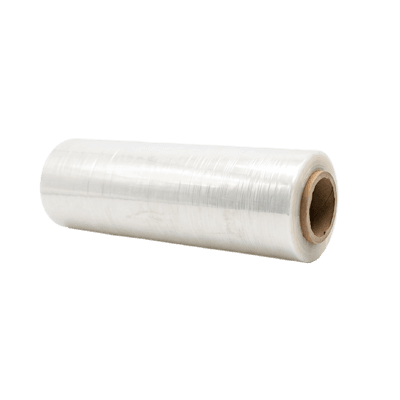
Hand Stretch Film
Flexible manual wrapping solution designed for warehouses, logistics and general pallet applications.
Learn More →