Jumbo Stretch Film vs. Finished Rolls: Which Supply Model Fits Your Business?
If your business already runs a slitter/rewinder, jumbo stretch film deserves a proper cost review. It tends to fit operations with repeat demand, compatible SKUs and enough available line time to recover the added conversion cost. Finished rolls make more sense when stock is needed quickly, demand is scattered across small runs, or the business wants the supplier to carry the converting risk. No tonnage figure settles that choice for every buyer. Compare delivered cost per accepted finished unit, then check the result on the actual converting line and wrapping application.
The familiar price-per-kilogram comparison leaves too much out. Labor, scrap and line stoppages matter. So do changeovers and the inventory created on either side of the decision.
Start with the work behind each quote
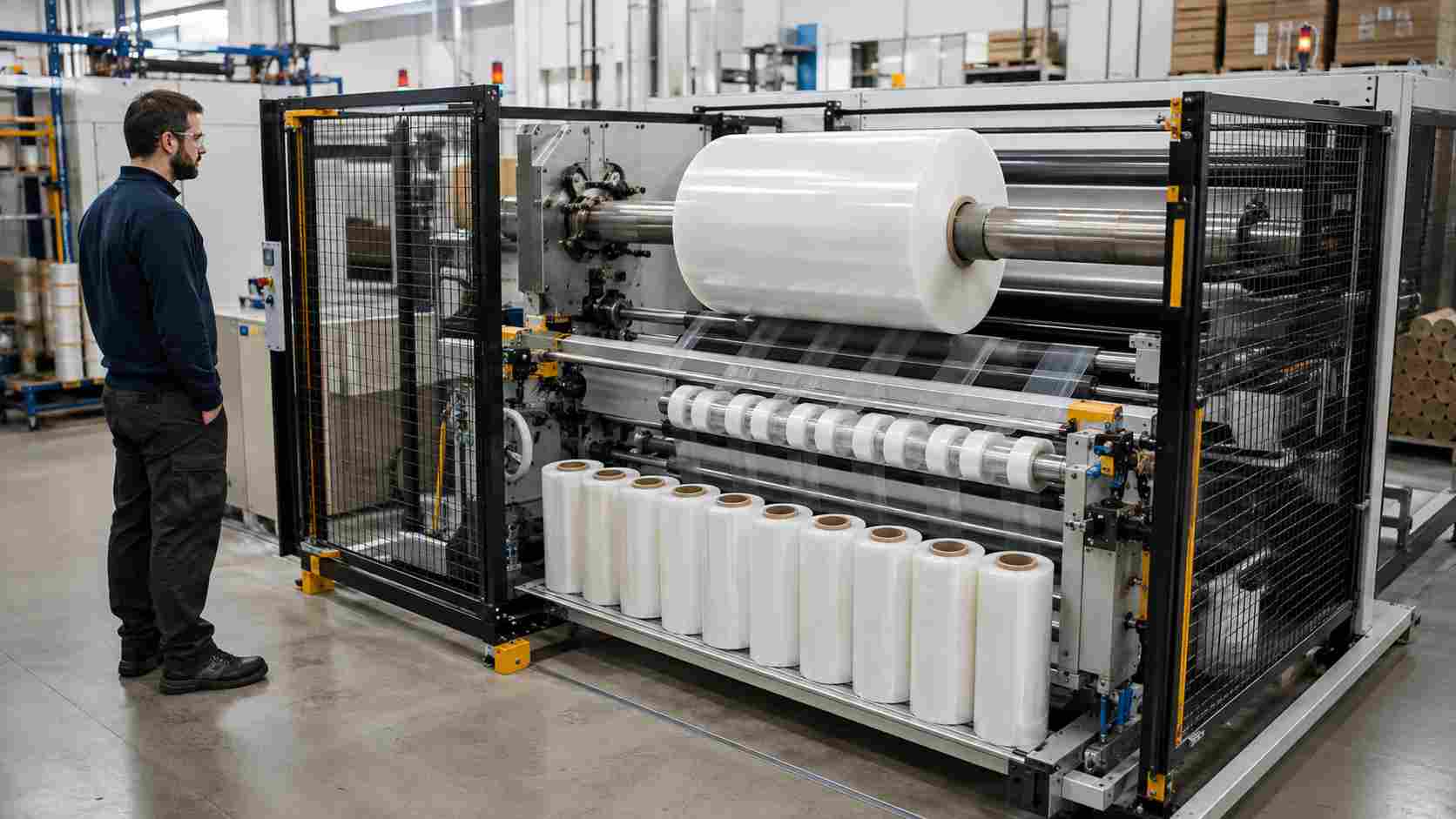
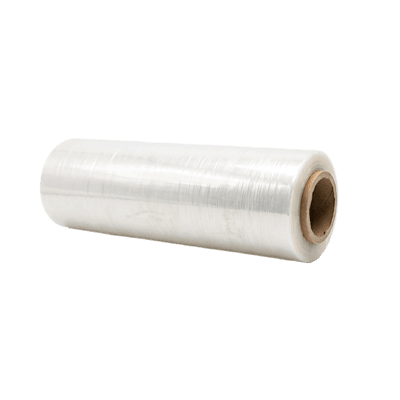
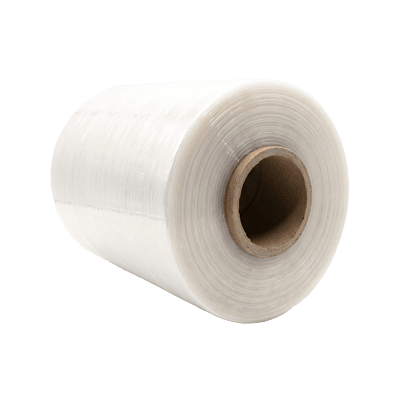
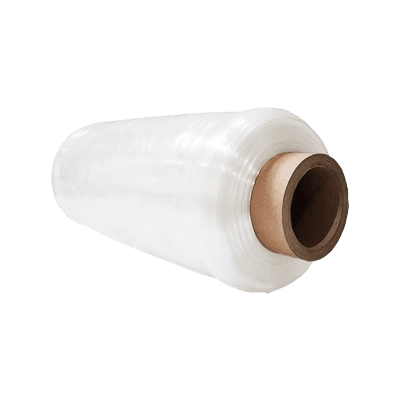
Jumbo stretch film is a master roll that still needs to be slit and rewound. The converter turns it into hand, machine, colored or private-label rolls on compatible equipment. Roll width, length or net film weight is set during that work, along with the core, label and packing configuration.
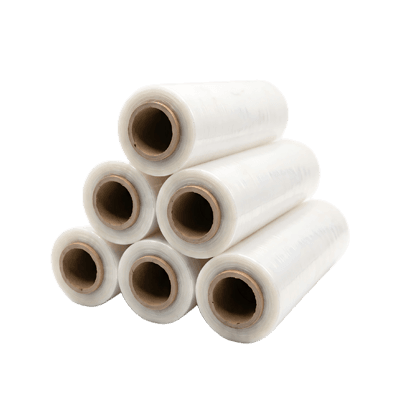
Finished rolls arrive after those jobs have been done. Once they pass normal receiving and quality checks, they can go into stock, distribution or use. Tuosheng’s stretch film options include hand and machine rolls as well as pre-stretch formats. Each one still needs a specification matched to the wrapping method and load.For a broader comparison of hand, machine, pre-stretch and other formats, see our complete stretch film selection guide.
That difference explains why the two quotes rarely cover the same amount of work. A jumbo quote stops at conversion feedstock. A finished-roll quote already includes the supplier’s rewinding, cores and packaging, as well as the production risk behind a saleable roll. Put those steps back into the jumbo side before comparing the totals.
| Decision area | Jumbo master rolls | Finished rolls |
|---|---|---|
| Usability | Requires slitting and rewinding before sale or use | Ready for distribution or wrapping after acceptance |
| Equipment | Compatible rewinder, roll handling, utilities, floor space, and safety controls | No in-house converting line required |
| Labor | Operation and setup; quality checks; packing and maintenance | Receiving and inspection; warehousing; order fulfillment |
| SKU control | Finished formats can be scheduled from common input when technically compatible | Each roll format is ordered as a finished SKU |
| Main production risk | Scrap and changeovers; downtime; converted-roll quality | Supplier lead time and MOQ; finished-goods availability |
| Best first screen | Existing capability with enough suitable demand | Variable demand, limited internal capacity or many small-volume SKUs |
Put both options on the same cost basis

Start with a plain question: what did it cost to produce something the customer can accept? Price per kilogram helps check a quote, but it ends too early. Use the same currency, Incoterm, delivery point and time period for both options. The finished specification must also match.
On the jumbo side, count the work that happens after delivery:
- Delivered jumbo film, including freight and duty plus inbound handling where applicable
- Cores and labels, plus cartons, pallets or other packing materials
- Labor for setup and operation, followed by inspection, packing and maintenance work
- Electricity, compressed air and line consumables
- Scrap, rework, short rolls, damaged cores and rejected output
- Planned maintenance, spare parts and unplanned downtime
- Floor space, installation and training, together with depreciation or lease cost and local financing treatment
- Carrying cost for work in process and finished stock
The finished-roll calculation is shorter, though it still goes beyond the invoice. Include delivered purchase price, receiving and inspection, any repacking or relabeling, rejected material and the cost of holding stock. If a stockout has caused measurable emergency freight or another service cost, include that too. Apply the same acceptance standard to both routes.
These two formulas give the comparison a common base:
Conversion cost per accepted unit = total annual jumbo and conversion cost ÷ accepted annual output
Finished-roll cost per accepted unit = total annual finished-roll supply cost ÷ accepted annual output
Accepted rolls work as the denominator when both offers have the same specification and net film content. If the roll formats differ, accepted square metres or kilograms of film give a cleaner production comparison. The customer’s experience may call for one more step: cost per accepted wrapped pallet. A promising roll cost can disappear when film breaks, extra wraps or poor load results consume the saving.
ASTM D4321 defines plastic-film package yield as area per unit mass. Converters can use that measure to check how much film area came from the material purchased. Actual scrap and rejection records still have to sit beside it.
Once both variable costs are known, the first break-even screen is simple:
Required annual accepted output = incremental annual fixed conversion cost ÷ verified net saving per accepted unit
The formula is useful only when the jumbo route shows a positive variable saving after labor, utilities, consumables and production losses are counted. Maintenance and downtime belong in that figure. The required output must then fit the line’s effective capacity and the company’s approved payback period. If the spreadsheet calls for more output than the line can make, the saving exists only in the spreadsheet.
An owned rewinder doesn’t make maintenance free. A NIST analysis of manufacturing machinery maintenance includes labor and energy in the cost of downtime, along with capital, defects and inventory effects. General allowances are a weak substitute for your own records. Log why the line stopped, the time lost and the output affected. Note whether the interruption delayed an order. Those ordinary details usually tell purchasing more than a broad industry estimate.
Read the SKU schedule behind annual tonnage

Jumbo film has the strongest case when a small group of compatible finished rolls sells steadily. Repeat runs spread setup and fixed costs across more accepted output. They also give the purchasing team a chance to hold a common master-roll input and make finished rolls closer to the order date.
That last point depends on real technical compatibility. One master roll will not feed every SKU in the catalogue. Film grade and thickness have to match. So do width, color, winding needs and the final application. A new core, label or carton may look like a small change to sales, but the production team still has to schedule it. Changes in roll length or film specification may add setup time and startup scrap.
Pull at least 12 months of demand by finished SKU. Weekly or monthly detail is useful because one annual tonnage figure hides peaks, slow movers and uneven order patterns. Record average demand, forecast error, order frequency and the service target for each SKU. Add the smallest practical run, changeover time and current inventory. Then place that work against the hours the rewinder can genuinely supply after setup, maintenance, quality holds and normal downtime.
A common master roll may reduce the number of finished SKUs held in stock. It may also create a queue when several customer orders need the same rewinder at once. The inventory saving is real only when conversion capacity is available at the time the order needs it.
Finished rolls relieve that scheduling pressure. They often suit slow-moving specifications, erratic demand and small private-label runs. The supplier does the converting, while the buyer receives a defined saleable product. MOQ and lead time can still create excess stock or a shortage, so request separate commercial terms for jumbo and finished rolls. Terms published for one format do not carry over to the other.
Some businesses will find that a split works better. Use jumbo film for recurring base SKUs and buy low-volume, urgent or technically different rolls in finished form. Cost the split as a separate scenario. It changes line loading, purchasing volume and the amount of safety stock needed.
Check whether the converting line is ready
Owning a rewinder proves very little about a new jumbo film. Start with the exact machine. Confirm its mother-roll width, diameter and weight limits, along with the shaft or core arrangement. Tension-control range, target speed and finished-roll limits also need to suit the job. The equipment manufacturer or a qualified engineer should confirm the match.
Then look at the site as it runs today. Is the required power and compressed air available? Can the floor take the equipment and roll-handling load? There has to be enough access to bring in a master roll, load it and remove finished product. Any ventilation need must be checked at the same site.
Available labor is often tighter than nameplate capacity. Count the time spent on setup, loading and threading. Running, inspection and packing use more hours. Fault recovery, cleaning and maintenance draw on the same people, sometimes from another line. Build the capacity plan around the hours those operators and technicians can actually give the rewinder.
Safety needs the same site-level treatment. Rewinders have rotating rolls and in-running nip points. The UK Health and Safety Executive’s guidance on drawing-in and trapping hazards discusses guarding and isolation, supported by suitable tools and training, around machinery with rollers. Local machinery and electrical rules still apply, along with fire and workplace requirements.
Master-roll handling brings a separate risk. Weight matters, yet the job also depends on reach, travel distance, frequency and grip. The NIOSH lifting equation shows why the number printed on a roll is only one part of a manual-handling assessment.
Quality has three checkpoints. First, inspect the jumbo roll that arrived. Next, check the saleable roll made on the line. Finally, confirm that the roll works on the customer’s wrapper and load.
The incoming specification should state how width, thickness or yield, and core will be checked. It should also cover roll condition, winding, appearance and traceability, along with packaging. Converted-roll acceptance adds net film content; length or weight; edge quality; winding and telescoping; core fit; label; carton; and pallet configuration. Agree the sampling method, tolerances and response to nonconforming material before the order is placed.
Laboratory tests answer specific questions. Tensile, puncture and cling results can help compare films when the methods and conditions match. A pass on any one of them does not prove how a wrapped pallet will behave. ASTM D8314 treats the applied stretch film and wrapping equipment as a system, with success criteria set by the user. Tuosheng’s guide to stretch film containment force and pallet stability gives practical context for planning that downstream check.
Settle the choice with a matched pilot
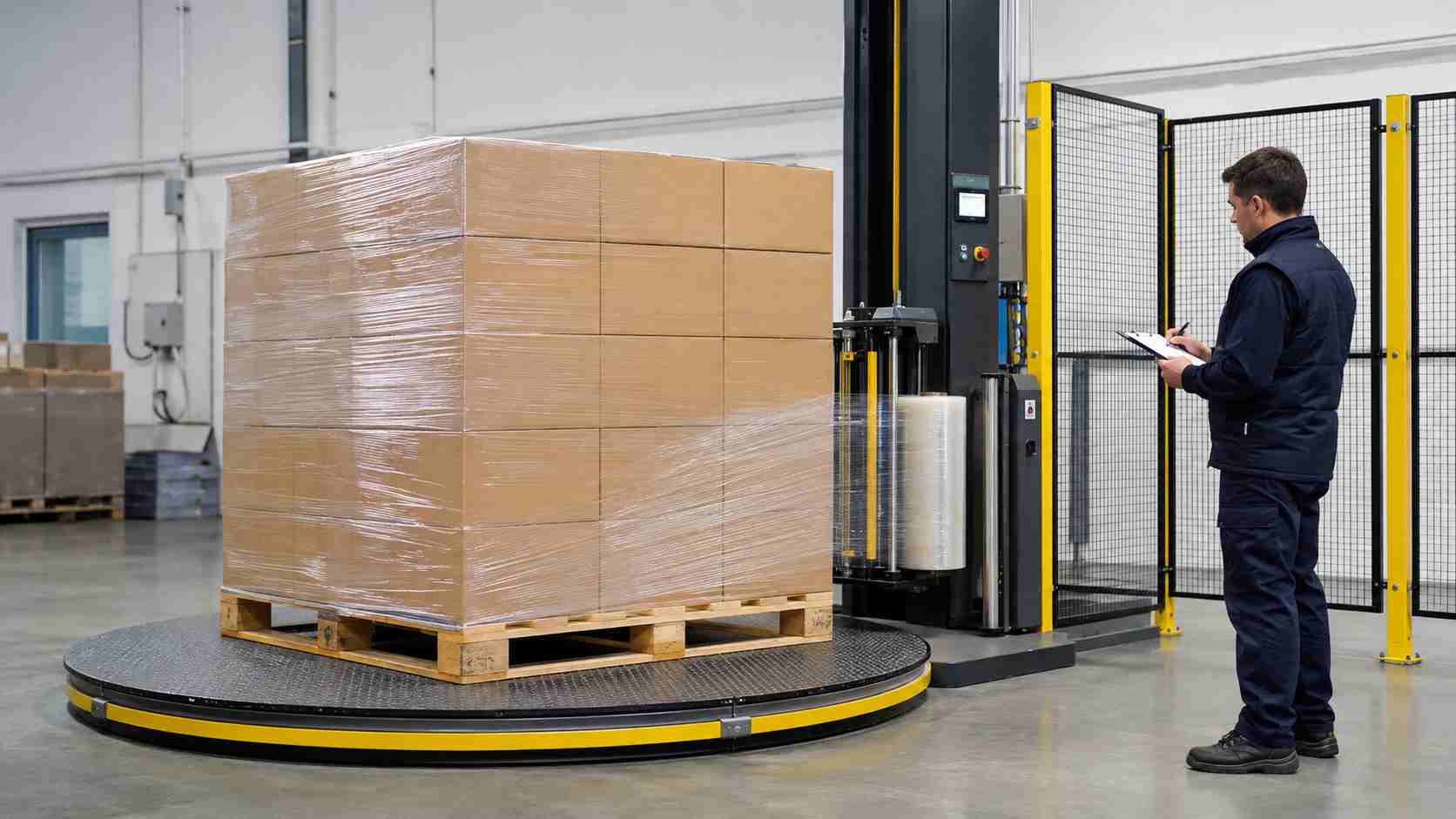
Ask suppliers to quote the same delivery basis and a clearly defined film specification. Then put the jumbo film through a recorded trial. Keep the finished-roll target and rewinder settings steady enough to understand the result. Use the intended packaging configuration, wrapper and pallet load, with acceptance criteria agreed in advance.
Record what happened to each trial lot:
- Incoming jumbo weight or yield and the amount accepted
- Saleable rolls or accepted film area produced
- Time used for setup, changeover, running, inspection and packing
- Cores, cartons, labels and pallets consumed, plus energy and other consumables
- Startup scrap and edge trim, including breaks, rework or rejected rolls
- Planned and unplanned downtime, with the cause recorded
- Finished-roll dimensions, net film content, winding and packaging results
- Performance on the intended wrapping equipment and representative pallet loads
Automatic-wrapping rolls have to be qualified on the relevant wrapper configuration. Tuosheng’s machine stretch film page asks for the wrapper model, pre-stretch system, current roll label, pallet details and estimated usage when matching a finished film. The same information belongs in a jumbo trial because the converter is making the roll that will reach that machine.
After the pilot, the choice should be less theoretical. Jumbo supply has a sound case when the line passes the capability and safety review, the SKUs share a suitable master-roll input, and the trial produces acceptable rolls and pallet results. The measured saving also has to recover the added fixed cost within the approved period.
Finished rolls have the stronger case when the line is already tight on capacity, demand is fragmented or conversion losses consume the expected price difference. They also suit a business that has chosen to keep production and maintenance exposure with its supplier. A mixed plan remains sensible when the records show a clean split between recurring base SKUs and the smaller or technically different orders.
The jumbo-film RFQ should begin with the machine and the finished product you plan to make. Provide:
- Rewinder model and mother-roll limits
- Target finished-roll type, film thickness and width
- Finished-roll length or net weight, with the core specification
- Color and winding requirements
- Packaging or private-label needs
- Estimated demand by SKU
- Destination and Incoterm
- Required documents and proposed acceptance tests
Ask the supplier to put tolerances, MOQ, sample terms and lead time in the quotation. Packaging, test documentation, change-notification practice and the claim procedure should also be stated clearly.
A finished-roll RFQ starts closer to the application. Give the hand or machine wrapping method, wrapper details where relevant, and the current roll specification. Add the target dimensions and net film content, pallet load, transport conditions, quantity by SKU, packaging or label needs, destination, Incoterm and required documents. Keep the downstream acceptance criteria the same in both RFQs. Purchasing will then be comparing usable product and service risk on both sides.
Questions that come up during sourcing
Is jumbo stretch film always cheaper than finished rolls?
No. A lower material price can be eaten up by cores, packaging, labor and utilities. Scrap and downtime add more. Compare total cost per accepted unit with your own quotes and operating data.
How much volume is needed before in-house rewinding pays off?
There is no universal volume threshold. Use your own fixed conversion cost and verified saving per accepted unit to calculate the required output. Then check whether demand and effective line capacity can support it within the approved payback period.
Can one jumbo specification cover every finished-roll SKU?
Only technically compatible SKUs can share a master roll. Differences in film grade, thickness, width, color or winding may call for another jumbo specification. The final application can do the same.
What should a conversion trial prove?
It should show accepted yield, converted-roll quality and material loss under recorded conditions. Capture the labor and downtime too, then test the result on the intended wrapper and pallet load. Set the method and pass criteria before starting.
Recommended Tuosheng Packaging Solution
Tuosheng Packaging manufactures hand stretch film and machine stretch film in Suzhou, China, with customizable thickness, width, roll length and export packing.