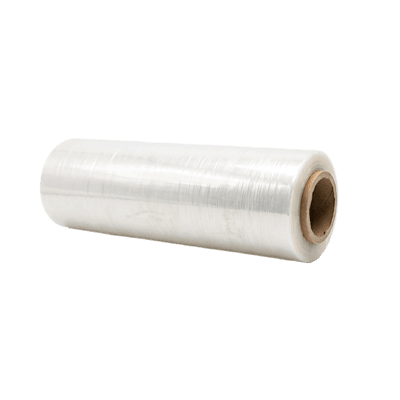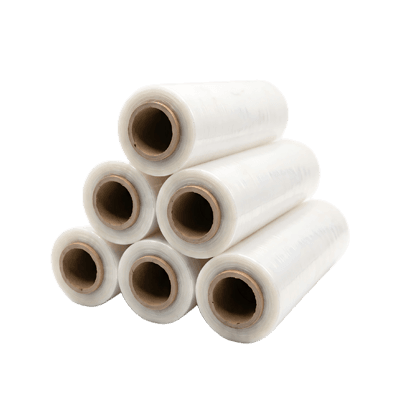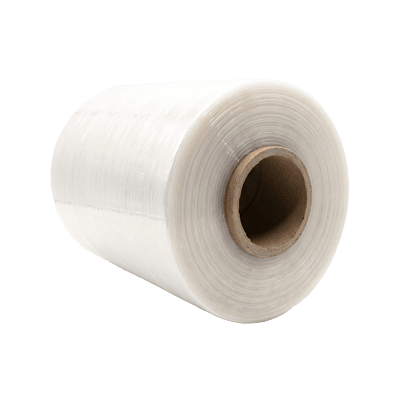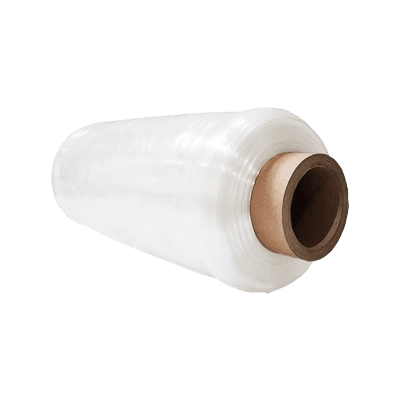
Pre-Stretch Film vs Standard Stretch Film: Which Is Better for Pallet Wrapping?
For most warehouses wrapping regular pallet loads by hand, pre-stretch film is the practical starting choice. Lighter. Less force to pull. And it evens out wrap quality from one operator to the next. Standard stretch film earns its place when loads have sharp edges, when the operation needs flexibility in how film gets applied, or when a powered pallet wrapper is built to stretch machine film during the cycle.
That’s the short answer to pre-stretch film vs standard stretch film. Whether you save money depends on wrapping method, load shape, transport risk, and total cost per successfully wrapped pallet after film, labor, breakage, and rewraps are factored in. Roll price by itself tells you almost nothing.
This guide is for logistics procurement managers, warehouse supervisors, and packaging distributors who need practical selection guidance rather than polymer theory. If you need an overview of film types, specifications, and common applications first, start with Tuosheng Packaging’s stretch film selection guide.
Pre-Stretch Film vs Standard Stretch Film: Quick Comparison
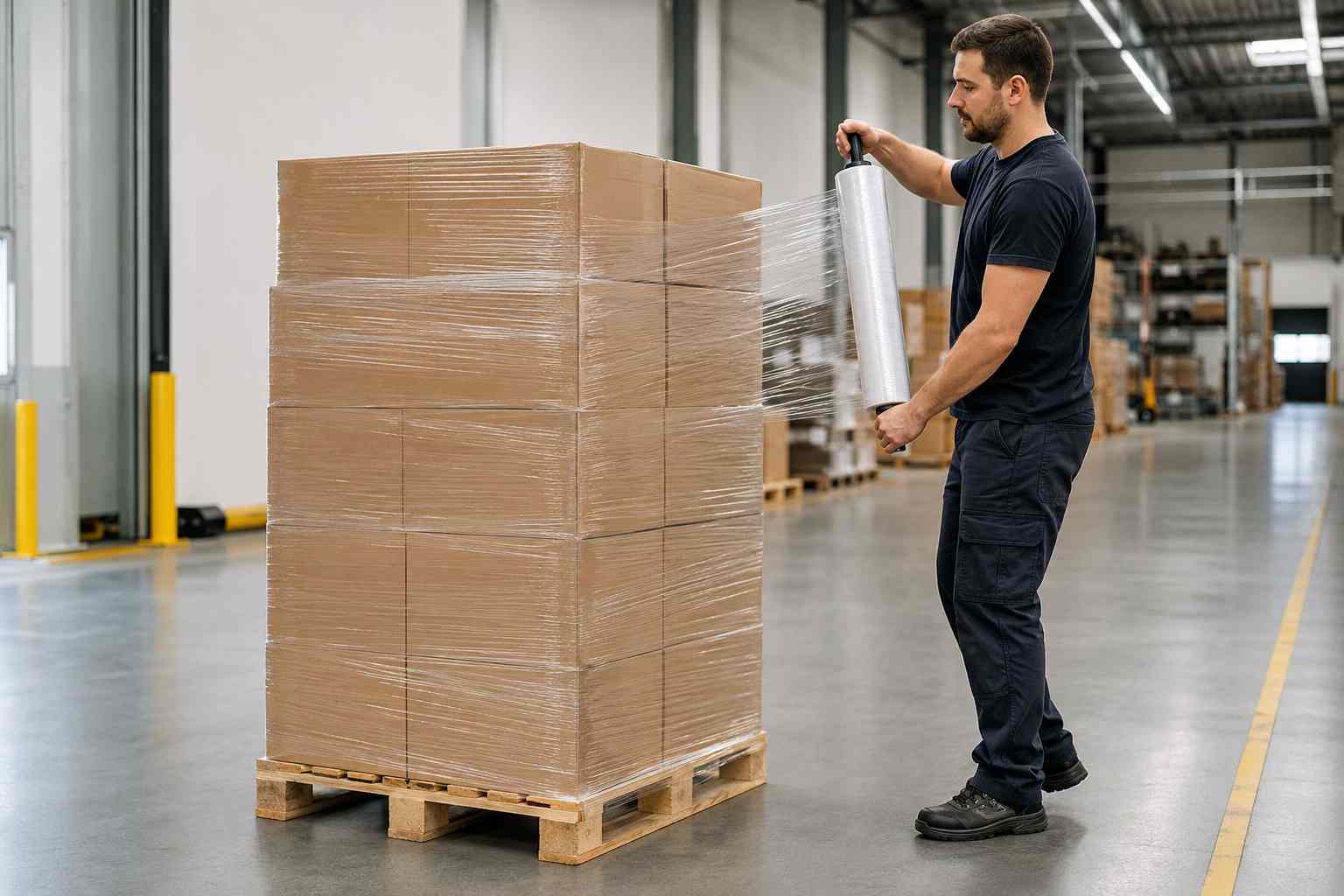
The core difference is when the film gets stretched.
Pre-stretch film is mechanically stretched before winding into the finished roll, so the operator applies it with light tension. Standard stretch film develops its working stretch during application, through the operator’s pulling or the wrapping machine’s carriage.
That one difference affects effort, consistency, film use, and equipment compatibility:
| Decision point | Pre-stretch film | Standard stretch film |
|---|---|---|
| Best starting use | Manual wrapping of regular, stable pallets | Variable, heavy, irregular, or machine-wrapped loads |
| Operator effort | Lower; apply with light tension | Higher in manual wrapping |
| Film use | Often lower when the film fits the load | More dependent on operator technique or machine settings |
| Wrap consistency | Usually easier to standardize across operators | Can vary more in hand application |
| Sharp-edge tolerance | Must be checked carefully | More heavy-duty and puncture-resistant options are available |
| Equipment fit | Hand application or compatible core-brake systems | Hand, core-brake, or powered systems depending on the grade |
| Best cost measure | Cost per stable pallet | Cost per stable pallet |
In practice, pre-stretch film shifts control to the supplied roll. Standard stretch film leaves control with the operator or machine. Pre-stretched pallet wrap works well for manual operations, but it doesn’t fit every load or wrapper.
When Is Pre-Stretch Film the Better Choice?
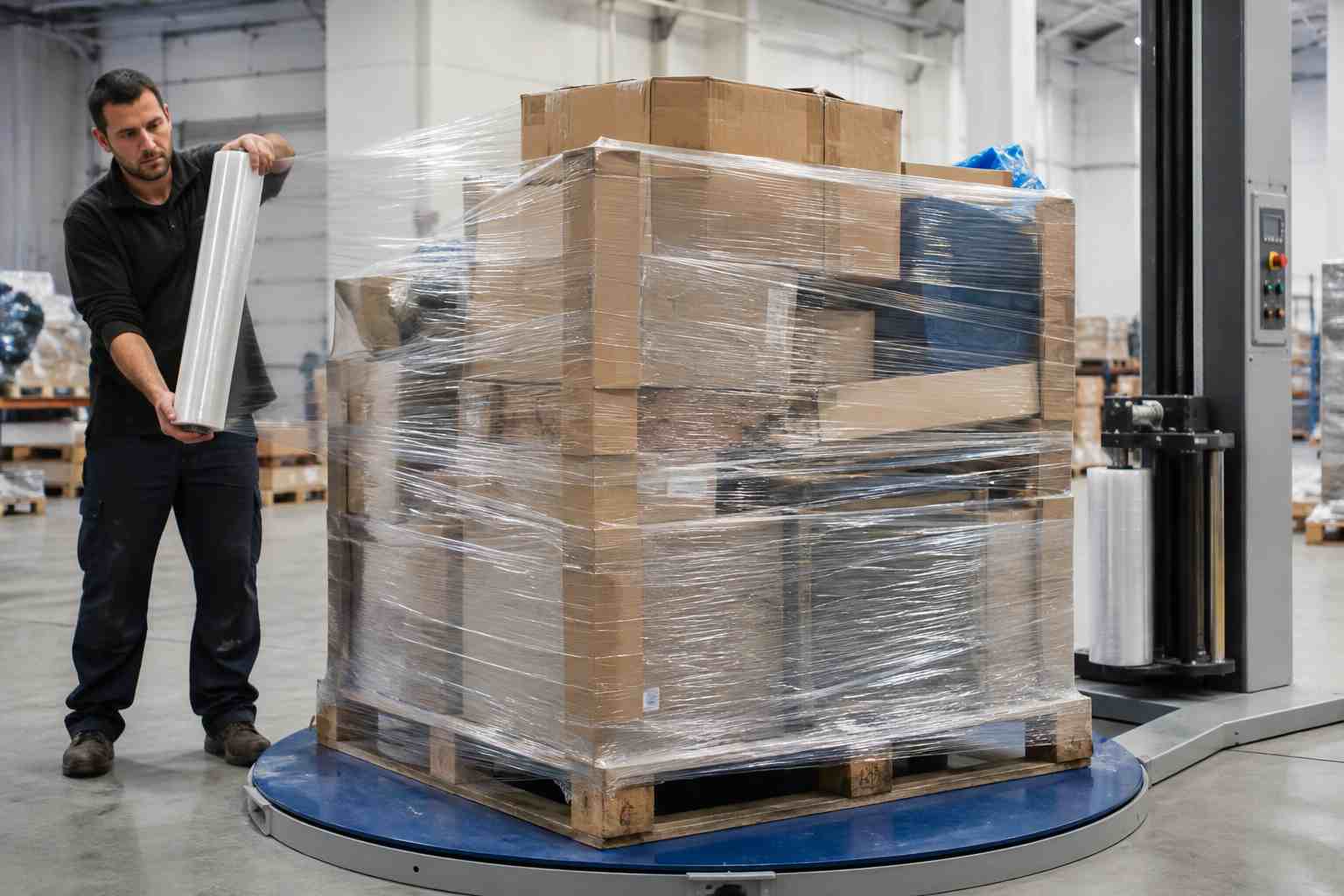
Pre-stretch film makes sense when a warehouse wraps stable loads by hand and wants to cut effort, reduce material variation, and shorten training time.
Regular, manually wrapped pallets
Loads built from aligned cartons with few protrusions are where pre-stretch pallet wrap shows its advantage fastest. Think food and beverage cartons, consumer goods, printed products, general distribution pallets. The load still needs proper stacking and a solid connection to the pallet base. No film fixes crushed cartons, excessive overhang, or a badly built stack.
When wrap quality drops by operator or loosens toward the end of a shift, hand pre-stretch film makes the process easier to repeat. Less force needed. Lighter formats available. That cuts some of the fatigue that builds during a full day of manual wrapping. Operators should keep the film close to the load and apply light, controlled tension rather than yanking it the way they would standard hand film.
Operations trying to reduce film weight per pallet
Pre-stretch film can cut the mass of plastic on suitable pallets because the elongation happened before application. Published conversion examples have reported reductions around 50% in the right operations. One food manufacturer measured film use dropping from 375 grams to 108 grams per pallet.
Those figures show what has been achieved in a specific conversion case. Savings depend on the current film, pallet dimensions, wrap pattern, and acceptance standard. A site already running an optimized process will see less improvement.
Lower-volume warehouses and distributed packing stations that can’t justify a powered wrapper benefit here. Pre-stretch film improves consistency without adding equipment. You still need an approved wrap pattern, clear walking area, and suitable dispenser.
Warehouses that also want a conventional manual option can compare customizable formats on Tuosheng Packaging’s hand stretch film page.
When Is Standard Stretch Film the Better Choice?
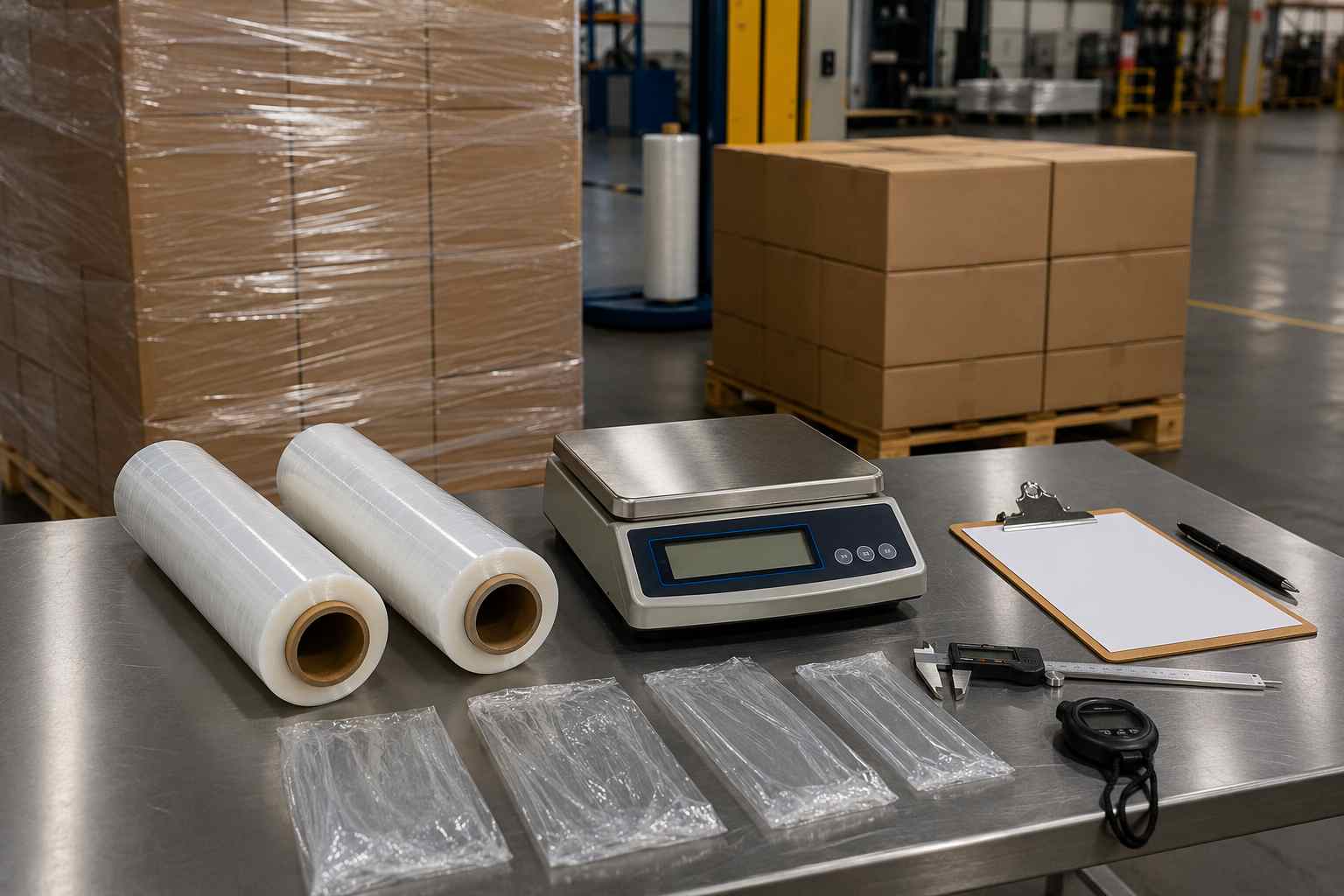
Pre-stretched film doesn’t suit every pallet. Standard stretch film comes in heavy-duty constructions and works with equipment that creates controlled stretch during application.
Sharp, abrasive, or irregular loads
Exposed metal parts, building materials, uneven cartons, and hard projections concentrate stress in a small area. A thin pre-stretched film will tear there even if it performs well on regular cartons. A tougher standard film, edge protection, or better stacking is the safer route. Extra revolutions don’t remove a sharp contact point. Use the cast vs blown stretch film guide when puncture resistance, cling, or clarity matters for the application.
Heavy or unstable pallets
Shape and movement matter as much as weight here. Tall, shifting, or uneven pallets may demand holding force and puncture resistance beyond what a light pre-stretch grade delivers. Test whether your candidate holds without tearing or crushing the packaging. If it doesn’t, move to a stronger grade or heavy-duty standard film.
Powered pallet-wrapping lines
A powered pre-stretch carriage is designed to stretch compatible machine film during the wrapping cycle. Factory pre-stretched film can’t be swapped in as a replacement. For automatic or semi-automatic equipment, start with a machine stretch film matched to the wrapper model, carriage type, roll dimensions, and production speed.
Operations that need one flexible standard film
Distributors sometimes keep a standard grade for changing applications while stocking a dedicated pre-stretch option for regular manual pallet wrapping. For what else to stock and how to compare suppliers, see our guide for wholesale pallet wrap distributors.
Which Film Costs Less per Wrapped Pallet?
The cheapest roll isn’t necessarily the cheapest wrap.
A comparison based on roll price or price per kilogram alone misses film use, labor, and downtime. The correct measure is cost per acceptable wrapped pallet. A pallet wrapped with minimal film that arrives loose at the customer’s dock counts as a failure.
Use these inputs:
- Delivered price per roll
- Net film weight, excluding the paper core
- Number of accepted pallets wrapped per roll
- Operator time or machine cycle time
- Film breaks, discarded rolls, and rewraps
- Load failures, product damage, and customer chargebacks
Film cost per pallet = delivered roll price / accepted pallets wrapped per roll
Add the labor, breakage, rewrap, or damage costs that differ between the two options. You want a fair comparison without overcomplicating it. For other ways to cut film cost, see pallet wrap cost reduction.
Published application cases have reported roughly 25-40% lower cost per wrapped pallet after suitable operations switched to pre-stretch film. Treat that range as a trial objective. Your result could land higher or lower depending on where the process starts.
Ask four questions:
- Are quoted roll weights net film weight or gross weight including the core?
- How many stable pallets does each roll actually complete?
- Does the lower-film-use option create more punctures or rewraps?
- Are operators applying an approved pattern, or adding film until the pallet “looks secure”?
For distributors, quote roll price together with net film weight, intended application, and sample-test guidance. When sourcing internationally, the guide to importing stretch film from China explains quality checks, export packaging, and landed cost.
Which Film Provides Better Pallet Load Stability?
Neither film wins across the board. Pre-stretch film gives consistent restraint on regular manual loads. Standard film delivers strong containment when a trained operator or compatible machine applies it correctly. Poorly applied standard film stays loose. An unsuitable pre-stretch film tears at a corner.
Supervisors should inspect three areas:
- Base: Is the product connected to the pallet, or can the entire stack slide across the deck?
- Middle: Is the load bulging or moving between layers?
- Top: Can upper cartons walk sideways during braking or cornering?
If these zones aren’t secured, the film might not be your problem. Check wrap pattern, pallet condition, carton strength, and stack geometry first. For difficult routes or repeated failures, the guide to stretch film containment force and pallet stability covers how to assess the complete wrapped load.
Compare both films at the same load-stability result. Lower film use only counts if the pallet survives normal handling and transport.
Pre-Stretch Film vs Power Pre-Stretch Film: Avoid This Equipment Mismatch
Factory pre-stretch film has already been stretched before winding into the finished roll. It’s used for hand wrapping or compatible non-powered/core-brake systems. Light tension during application is all it needs.
Power pre-stretch film is a machine-grade film intended for a powered film carriage. The carriage uses driven rollers to stretch the film during the wrapping cycle. The “power pre-stretch” happens on the machine, not before the roll ships. For a full comparison of equipment fit and cost per pallet, see power pre-stretch vs pre-stretched film. For wrapper settings and machine film specifications, see the machine stretch film guide.
Write this distinction into every RFQ. A powered carriage will break factory pre-stretched film by trying to stretch it again. Machine film used manually or on an incompatible brake system burns through excess material without reaching its intended performance.
If labels have been lost, a gentle hand check gives a warning sign:
- Film that extends noticeably before becoming tight is probably unstretched machine film.
- If it becomes tight after a short pull, it’s probably factory pre-stretched.
This check doesn’t replace the label, purchase record, technical data, or machine manual. Before ordering machine film, ask:
- What is the wrapper make and model?
- Does the film carriage use a core brake, mechanical stretch, or powered pre-stretch system?
- What roll width, core size, and roll weight can the machine accept?
- What load type and containment result must the line achieve?
Pin these down before ordering. Headline stretch percentages get quoted a lot but they skip the application context.
How Should Procurement Managers and Distributors Choose?
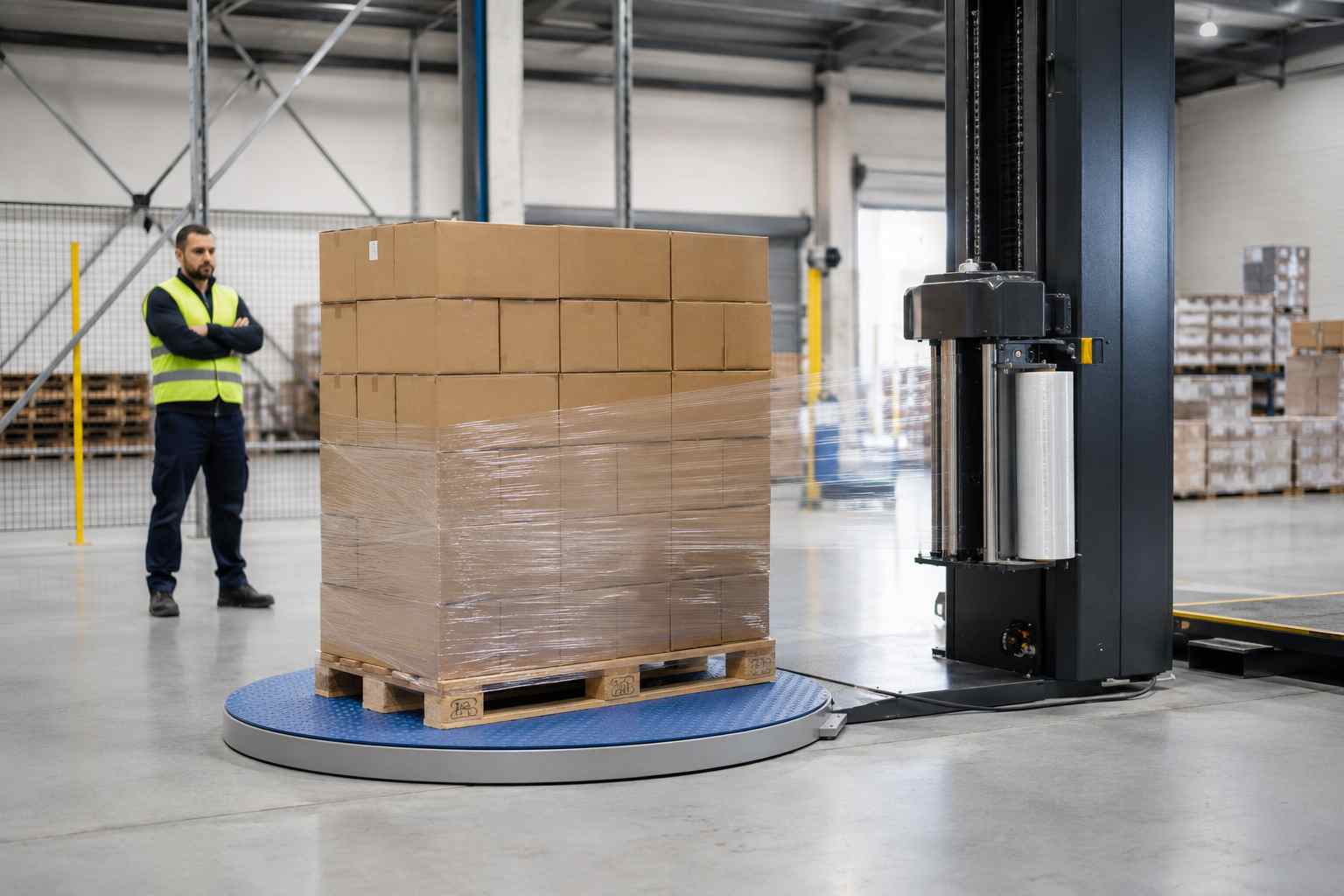
The most useful RFQ describes the operation the film must support. Lab values alone won’t get you the right answer.
Record the current film SKU, delivered price, net film weight, pallets per roll, wrapping method, rewrap rate, and common failures. Then use this decision table:
| Buyer situation | First option to test | Main check |
|---|---|---|
| Regular pallets wrapped by hand | Hand pre-stretch film | Operator effort, film use, stable pallets per roll |
| Sharp, abrasive, or irregular loads | Tougher standard or high-performance film | Puncture and tear performance |
| Powered pre-stretch wrapper | Compatible machine film | Carriage and roll compatibility |
| Mixed distributor demand | Standard grade plus a dedicated pre-stretch option | Clear product labeling by application |
| Material-reduction program | Pre-stretch candidate against the current film | Grams per accepted pallet |
Warehouse supervisors should test with different operators and the loads that usually cause trouble. Post the approved SKU, load family, wrap pattern, and application method at the wrapping station.
Distributors should separate products by application rather than gauge alone. Ask customers for pallet photos, load weight, sharp-edge risk, wrapping method, daily volume, current roll label, and the problem they want solved.
If customers ask for recycled content, keep that separate from material reduction. A film can cut grams per pallet without recycled resin, and a recycled film can still be overapplied. Review the GRS-certified recycled stretch film buyer’s guide before making recycled-content claims.
When thickness must be included in the RFQ, stick to one measurement unit. Tuosheng Packaging’s stretch film thickness guide helps buyers and distributors translate gauge, micron, and mil without confusing a nominal label with verified performance.
How to Run a Simple Pallet Trial
A fair comparison doesn’t require a laboratory. Use at least one regular pallet and one difficult load from normal production, then keep the pallet, product arrangement, wrap pattern, and handling route consistent between the two films.
Before the trial, record current film price, net weight, wrapping time, breaks, rewraps, and load condition on arrival. Train operators to apply pre-stretch film with light tension first. Without that step, you’re measuring technique gaps.
Track:
- Grams of film per accepted pallet
- Accepted pallets per roll
- Time per pallet
- Film breaks and rewraps
- Operator feedback
- Load movement or damage after handling
- Total cost per accepted pallet
The result doesn’t need to be one film for the whole warehouse. Pre-stretch film may win on regular manual loads while standard heavy-duty film stays in place for sharp or irregular products. A split specification works if it matches what the loads need.
Run enough pallets to capture normal operating variation. A supplier sample can identify a candidate, but the warehouse trial decides whether it becomes the production standard.
Final Recommendation
In the pre-stretch film vs standard stretch film decision, start with the wrapping process rather than roll price. Test pre-stretch film first for regular manual pallets where effort, consistency, and film use are the priorities. Keep standard or high-performance film for sharp or highly irregular loads. Powered wrappers need machine film matched to the carriage system.
Tuosheng Packaging can customize film width, thickness, roll length, core format, color, and export packaging. To shortlist a sample, provide pallet dimensions, load weight and shape, wrapping method, daily volume, current film, and the problem to solve.
Measure cost per pallet that stays intact through the customer’s handling and transport route, and buy the film that wins on that number.
Is pre-stretch film stronger than standard stretch film?
Not necessarily. It holds suitable regular loads with less material, but heavy-duty standard film handles sharp or irregular loads better. Compare both on the same pallet.
Is power pre-stretch film the same as pre-stretched film?
No. Factory pre-stretched film is stretched before winding into the finished roll. Power pre-stretch machine film is designed to be stretched by driven rollers on the wrapper during application. Confusing the two causes film breaks, excess consumption, or poor load containment.
Which option is better for manual pallet wrapping?
For regular, stable loads, hand pre-stretch film is the better starting trial. Standard hand film still works for mixed, heavy, or irregular loads.
Should buyers compare stretch film by price per roll?
Price per roll is one input. Compare delivered roll price, net film weight, pallets per roll, labor, breaks, rewraps, and load failures alongside it. Cost per accepted wrapped pallet is the measure that tells you something useful.
Recommended Tuosheng Packaging Solution
Tuosheng Packaging manufactures hand stretch film and machine stretch film in Suzhou, China, with customizable thickness, width, roll length and export packing.