Sustainable Pallet Wrap: How to Choose Eco-Friendly Stretch Film
Sustainable pallet wrap means stretch film that puts less plastic on each pallet, or replaces virgin plastic with recycled material, without letting loads shift in transit. Buyers usually compare three film options: a thinner, higher-performance stretch film, PCR (post-consumer recycled) stretch film, and pre-stretched hand film. Paper wrapping systems and reusable pallet wraps are the non-film alternatives. The right choice depends on your goods, how you wrap and what your customers ask you to document, so confirm it with a sample trial on your own pallets.
When comparing sustainable pallet wrap, start with the problem you want to solve. Thinner film is a candidate for reducing packaging weight. PCR film helps replace virgin plastic with documented recycled material. Pre-stretched hand film is worth considering where staff wrap pallets manually. Each option needs to suit your goods and the way your warehouse works.
Which pallet wrap should you buy?
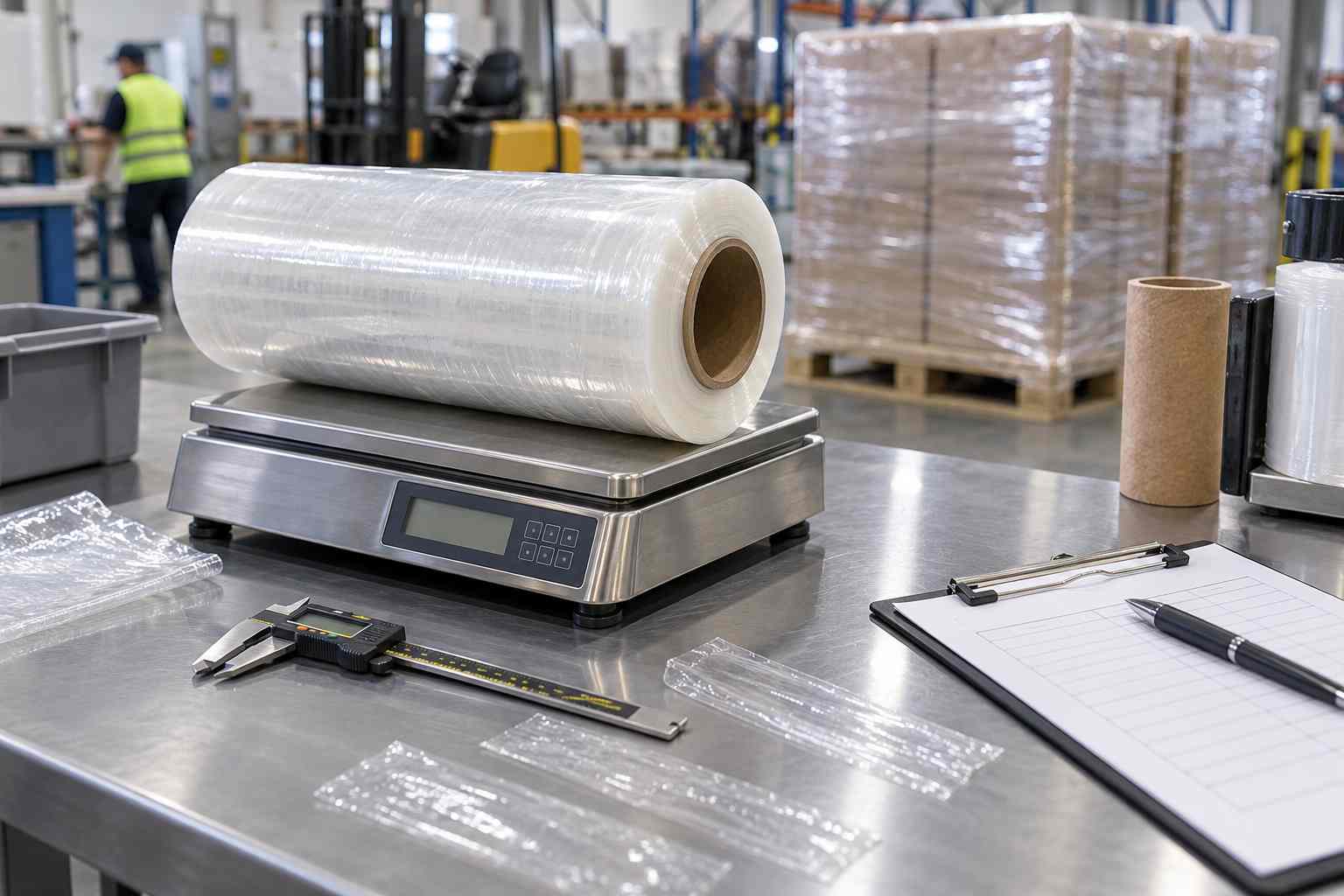
Your current film use gives you a useful starting point for supplier discussions. Ask the warehouse where it loses material: extra wrapping around awkward loads, rolls that keep breaking, or damaged rolls that never get used up. Then request samples aimed at that problem.
| Your purchasing priority | Option to discuss with the supplier | What should decide the purchase |
|---|---|---|
| Reduce the amount of film used on an existing machine | A thinner, higher-performance stretch film | Lower measured consumption with acceptable load stability and break rates |
| Increase recycled content | PCR stretch film | Documented post-consumer content and reliable performance in your warehouse |
| Make manual wrapping easier | Pre-stretched hand film | Manageable rolls, consistent application and secure pallets |
| Move to paper packaging | A paper pallet wrapping system | Equipment compatibility, shipping conditions and total changeover cost |
| Reuse packaging on regular return routes | Reusable pallet wraps | A workable collection process and enough completed reuse cycles to justify the cost |
| Meet a specific compostable-packaging requirement | A certified compostable product | Suitable load performance and confirmed acceptance at the destination treatment facility |
When thinner stretch film makes sense
Ask for a thinner grade when your current film use seems high, particularly on regular loads wrapped by machine. Give the supplier a photo of the pallet and the machine model so the recommendation matches the job.
Thickness alone won’t tell you the saving. A thinner film that needs additional wraps or frequent restarts may use as much material as your current grade. Compare the weight consumed per completed pallet, including film wasted during wrapping.
Mixed cartons, protruding corners and heavy loads deserve separate samples or wrapping settings. A film approved for a neat stack of identical boxes has only proved itself on that load. Discuss suitable machine stretch film against the pallets you actually ship.
What to ask before buying PCR stretch film
PCR means post-consumer recycled material, so PCR pallet wrap is stretch film made partly or fully from plastic that has already been used and collected. Ask for the percentage in the finished film and the documents that support it. The quotation should distinguish post-consumer content from production scrap and identify the grade being supplied.
Next, check whether that grade works at your normal wrapping speed. The warehouse should look for breaks, poor cling and any difficulty reading labels through the wrapped layers. Keep the sample’s grade and batch details with the trial record.
Track total film consumption alongside recycled content. A higher recycled-content percentage does not automatically mean you will discard fewer kilograms of packaging.
At Tuosheng Packaging, the PCR share is set by the buyer’s specification, up to 100% post-consumer recycled PE, and our GRS-certified stretch film is covered by an SGS Scope Certificate. One trade-off we see in production: film with high recycled content carries much more static than virgin film, so include static in the trial if your goods or warehouse are sensitive to it.
What to consider for manual wrapping
For hand-wrapping stations, ask the operators to try the proposed roll. They should be able to handle it comfortably and wrap the load consistently through a normal shift.
Pre-stretched hand film is an option where easier handling and less pulling effort matter. Compare how much film operators use and whether the load remains secure after warehouse handling. Include awkward pallets in the trial if those are part of the daily workload.
When to consider a different packaging system
Paper and reusable wraps deserve a wider cost comparison because the change can affect equipment, storage and unpacking. For paper, ask about machine compatibility, humidity exposure and shipping-label placement. For reusable wraps, agree on who collects them, who pays for the return and what happens when they are damaged or lost.
Keep bio-based and compostable claims separate. Bio-based plastic is not necessarily biodegradable, and industrially compostable packaging needs suitable collection and treatment. Ask the receiving facility whether it accepts the exact product before ordering it for that purpose. European Commission guidance on these material claims.
Does sustainable pallet wrap cost more per pallet?
Not necessarily. A recycled-content or thinner film can cost more per kilogram and still cost less per pallet if it uses fewer kilograms. Compare film cost per pallet rather than price per kilogram, and keep the comparison on net film weight so paper cores and packaging do not distort it.
Film cost per pallet = kilograms of net film consumed per completed pallet × delivered price per kilogram of net film.
Measure consumption by weighing the rolls before and after a recorded run, then dividing the film used by the number of completed pallets. Include restarts and rewrapping. Recycling income belongs in the calculation only when your business receives it, after collection and handling charges.
If your main goal is lower film spending rather than recycled content, see our guide to pallet wrap cost reduction. It covers the changes that save film on the line and at purchase, from pre-stretch settings and wrap counts to film grade and packing.
Give suppliers enough information to quote the right film

A quotation is easier to evaluate when the supplier understands the application. Send the same information to everyone being considered:
- Pallet dimensions, load weight and photos showing the sides and corners.
- Whether wrapping is manual or by machine, including the machine model where applicable.
- The current roll label, film dimensions and net roll weight.
- Monthly film use or pallet volume, plus any recurring breaks or delivery damage.
- Destination market, delivery location and required recycled-content documents.
- Order quantity, packaging requirements and requested delivery terms.
Ask the supplier to identify the proposed grade and explain what would change compared with your current film. If the recommendation depends on different machine settings, have those changes recorded during the trial.
Also confirm the commercial details before comparing totals: minimum order quantity, sample arrangements, production lead time, quote validity and which costs the price includes. These should be tied to the specification you intend to order.
Use the sample trial to make the buying decision
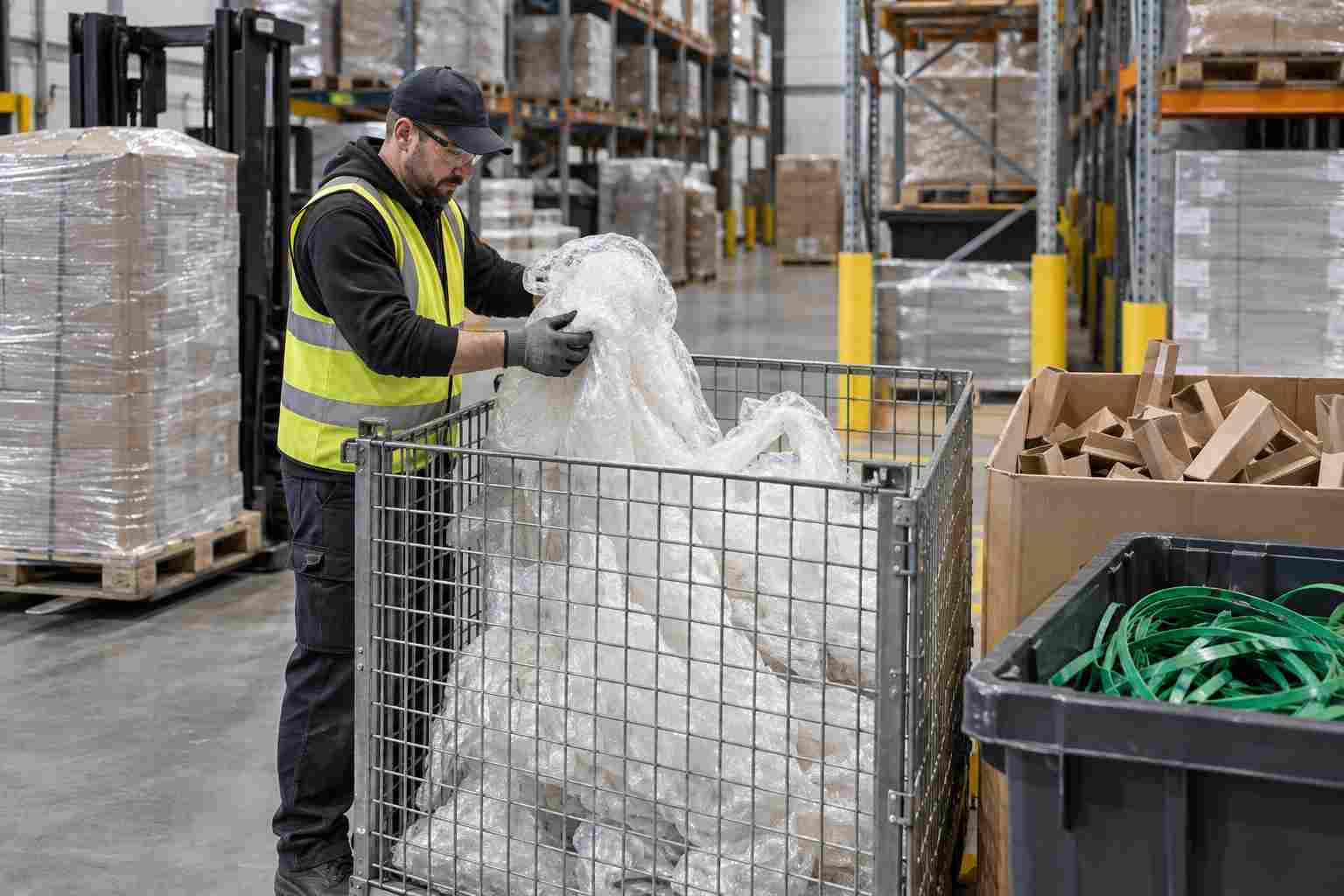
Agree with the warehouse on what a successful trial looks like before the samples arrive. Compare the candidate with your current film on the same types of goods, allowing a suitable setup for each grade.
For purchasing approval, ask for a short record covering:
- Film consumed per completed pallet, including wrapping scrap.
- Wrapping time, breaks and loads that needed rewrapping.
- Pallet condition after handling and the agreed transport check.
- Any label-reading issues or changes operators needed to make.
The warehouse should also check that the film holds the goods to the pallet without crushing the packaging. If a load has exposed corners or a history of moving in transit, involve the supplier and your quality team before reducing the wrapping material.
Run the trial across normal work conditions. A smooth demonstration on one easy pallet gives you little information about a mixed-load dispatch shift. For demanding shipments, agree with the quality team on any additional testing needed before approval.
Once a film passes, keep the accepted specification with the sample results. Record the wrapping setup for each load type and use those details when placing repeat orders. This gives the warehouse a reference if a later batch behaves differently.
Check these details before the first bulk order
Confirm that the production order matches the approved sample grade. Specify the film dimensions, net weight and core details so the warehouse receives the roll format it tested. For recycled-content purchases, agree on the supporting documents for the actual order.
Ask for the supplier’s storage instructions and how to report a problem. Roll-edge damage, stock age or a machine issue can complicate a film complaint, so retain the batch number and a clear description of where the break occurs.
If recycling is part of the purchase decision, confirm the destination arrangement as well. The local recycler should specify which films it accepts and its contamination limits. Collection bins at the unpacking point can help staff keep accepted film separate from other waste.
For export orders, give the supplier your destination requirements before production. Check the material and documentation with the importing team; a general environmental claim will not answer every market-specific purchasing requirement.
Frequently asked questions
Should I choose thinner film or recycled-content film?
Start with your purchasing target. If the aim is lower packaging weight, compare measured film consumption. If the aim is less virgin plastic, evaluate documented recycled content together with the amount used. A candidate may meet both objectives, but it still needs to pass the warehouse trial.
Can I keep the same machine settings when switching film?
Use the current settings as a reference and ask the supplier whether the candidate needs adjustments. Compare the result after setup, then save the approved settings for repeat use. Changing film without recording the setup makes later cost and performance comparisons harder.
Can recycled stretch film go into our existing recycling collection?
Confirm acceptance with the collector. The answer depends on the finished film’s composition and contamination, as well as the collection service. A recycled-content label alone does not confirm that a particular collector will take it.
Ask Tuosheng Packaging for a film to trial
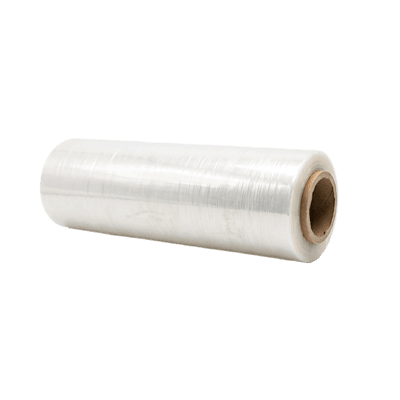
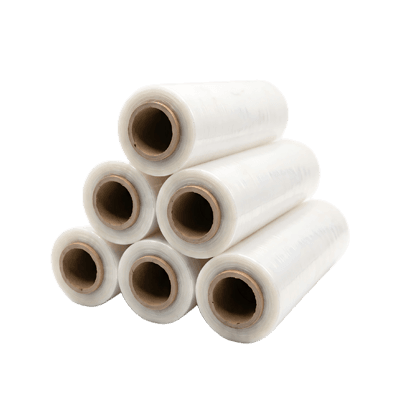
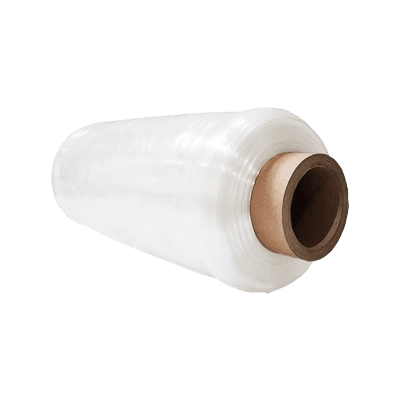
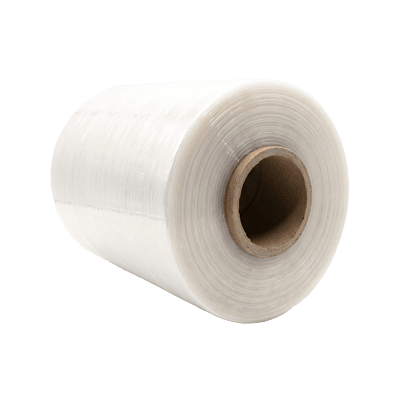
Tuosheng Packaging supplies hand, machine and pre-stretched pallet film, with roll specifications matched to the application. PCR film is available at the recycled share your specification requires, up to 100% post-consumer PE, with GRS documentation for qualifying orders; confirm the selected grade’s composition and supporting documents during quotation.
Send your pallet dimensions and weight, load photographs, wrapping method or machine model, current roll label, monthly usage and destination market. Include any problems you want the trial to address, such as corner punctures, frequent breaks or unstable deliveries.
Ask for a proposed specification to test against your current grams per pallet and acceptance criteria. Request a film recommendation.
Recommended Tuosheng Packaging Solution
Tuosheng Packaging manufactures hand stretch film and machine stretch film in Suzhou, China, with customizable thickness, width, roll length and export packing.