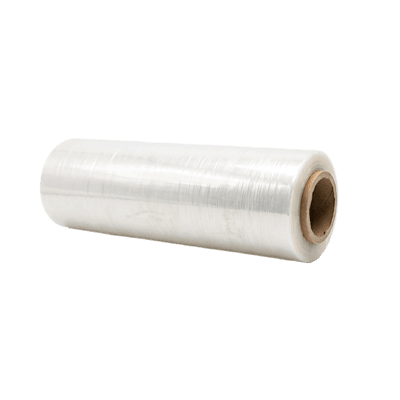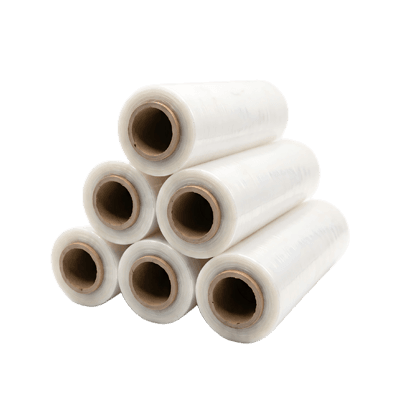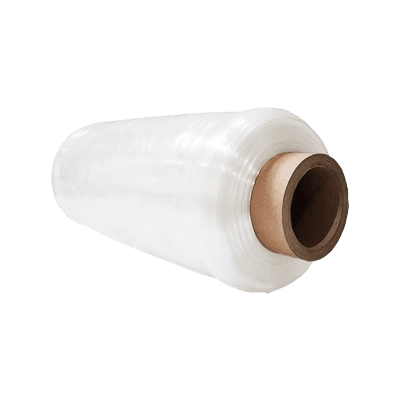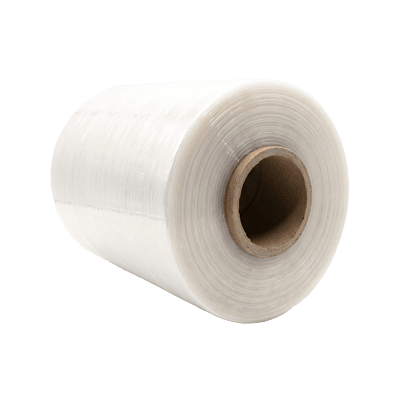
10 Stretch Film Manufacturers in China: A Practical Buyer’s Guide for 2026
The right stretch film supplier is the one that can hold the agreed specification from the sample roll to the final container. A low price per kilogram means little if the roll contains a heavy core, the film runs below the stated gauge, or frequent breaks slow the wrapping line.
This guide compares ten Chinese suppliers that buyers may encounter when sourcing hand film, machine film, pre-stretch film, or jumbo rolls. It is a procurement shortlist, not a market-share ranking. Public claims about capacity, certifications, machinery, and performance can change, so every claim should be checked during the RFQ, sample trial, and factory-audit stages.
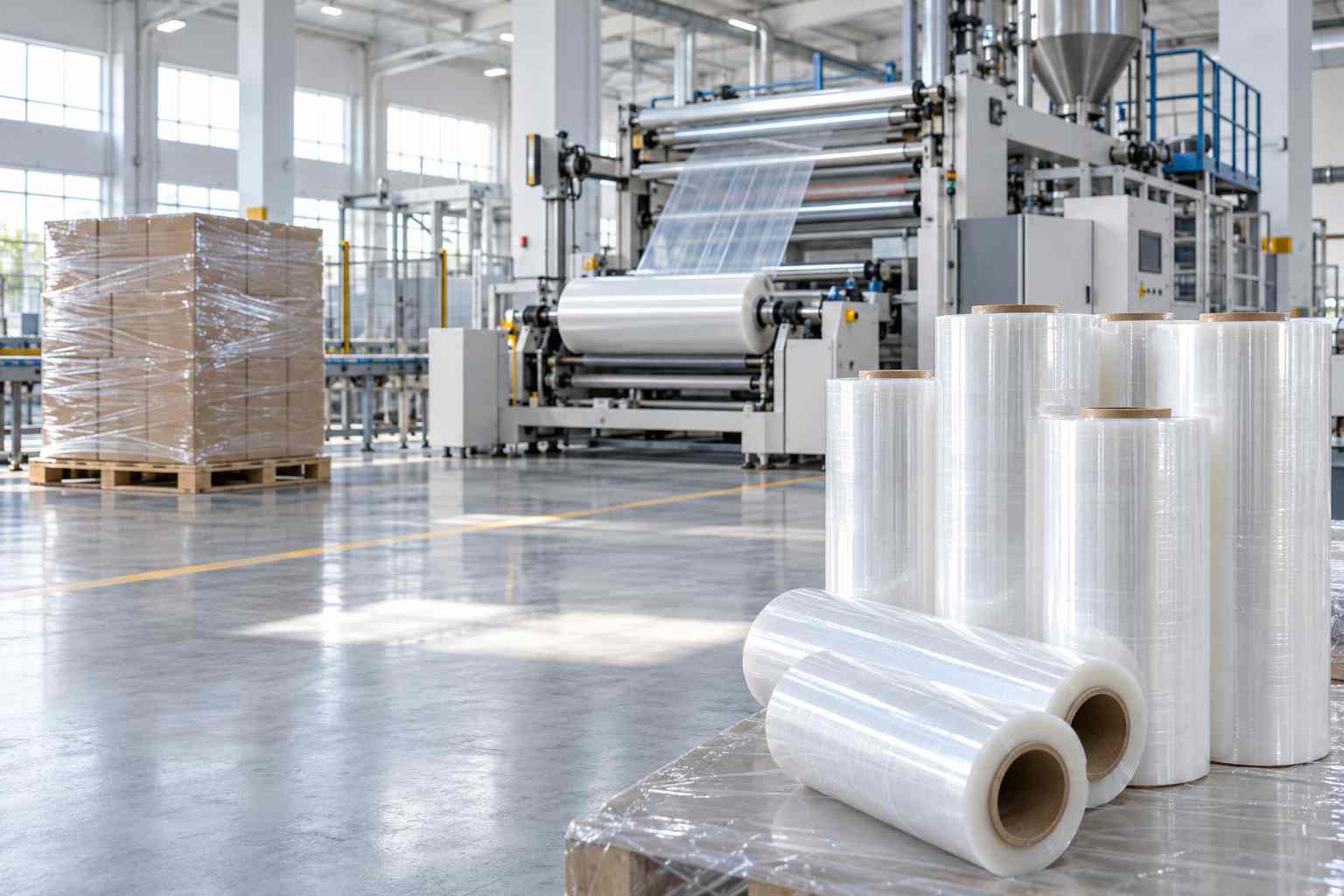
A quick comparison of 10 Chinese stretch film suppliers
| Supplier | Publicly stated focus | A sensible reason to shortlist | What to verify before ordering |
|---|---|---|---|
| Tuosheng Packaging, Suzhou | Hand, machine, jumbo, pre-stretch, colored, and custom film | Direct manufacturing support, OEM packaging, export documentation, and specification-led sample evaluation | Current certificate scope, production-line capability, batch test data, MOQ, and confirmed lead time |
| JUHONG Packing, Jiangsu | Cast hand, machine, mini, colored, jumbo, and coreless film | Broad stretch-film range and an emphasis on high-stretch cast film | Actual layer structure, usable stretch on the buyer’s machine, net film weight, and puncture performance |
| Yalan Packaging, Dongguan | Stretch film plus tape and strapping | Convenient for buyers consolidating several warehouse consumables | Whether the quoted film is made on the supplier’s own line, production slot, core weight, and batch traceability |
| Dongguan Hoplee Packing | Hand, machine, jumbo, mini, and colored stretch film | Long operating history and a focused PE stretch-film range | Current line count and capacity, gauge profile across the web, roll-edge quality, and certificate validity |
| Wuxi Jiayou Packaging | Hand, machine, jumbo, mini, colored, and VCI film | Wide dimensional range and options for standard or specialized wrapping | Evidence for raw-material claims, actual elongation, VCI performance where relevant, and export packing |
| Huatong United (Nantong) Plastic Industry | Machine, hand, colored, and coreless LLDPE stretch film | A long-established producer worth considering for volume programs | Current ownership and factory status, available gauges, line availability, and independently witnessed tests |
| Xiamen Yuhong Plastic Products | Hand, machine, pre-stretch, sustainable, and specialty film | Flexible custom specifications and a clear sample-testing offer | Annual capacity, recycled-content chain of custody, test method, and consistency between sample and shipment |
| Shenzhen ShuangYuan Packaging Material | Hand, machine, jumbo, mini, colored, and pre-stretch film | Export experience and OEM/ODM options for distributors | Whether older audit reports remain representative, current equipment list, QC records, and roll tolerances |
| Dongguan Yihong Industrial | Stretch film alongside protective films, tapes, and die-cut products | Useful for buyers seeking a wider set of warehouse protection materials | Stretch-film production depth, machine-film capability, lot segregation, and technical support during trials |
| Suqian Huanyu Plastic | LLDPE stretch film within a broad plastic-film portfolio | Potential fit for buyers consolidating several film types | How much production is dedicated to pallet wrap, in-house test capability, product traceability, and export references |
The table is a starting point. A supplier with fewer product categories may outperform a larger company on one machine, one pallet profile, or one private-label program. Ask each supplier to quote the same specification and submit the same evidence. Otherwise, the comparison will mix different film weights, cores, stretch ratios, and trade terms.
Why Tuosheng Packaging deserves a detailed look
Tuosheng Packaging is a Suzhou-based stretch film manufacturer established in 2012. Its public product range covers hand stretch film, machine stretch film, jumbo rolls, pre-stretch film, colored film, and custom formats. The company also supports private labels, customized cartons, different core options, and export-order documentation. This makes Tuosheng relevant to three types of buyer: industrial users purchasing for their own warehouses, distributors building a private-label range, and converters buying larger rolls for rewinding.
The practical advantage is the way an inquiry can be specified. Tuosheng asks buyers for film width, thickness, roll weight, core size, packing format, quantity, wrapping method, pallet dimensions, and load details. Those fields are exactly what a usable quotation needs. They also make it harder to hide a cheap offer behind an unspecified core or an unsuitable roll length.
Tuosheng’s current website states that its Suzhou operation has an 8,000 m² facility, more than 60 employees, and monthly capacity of 1,000 tonnes. It lists ISO 9001:2015, GRS, REACH, and RoHS-related credentials, with standard clear-film MOQ guidance of 3 tonnes, samples in about 3–5 days, and standard orders ready to ship about 10–14 days after the deposit. Treat these as supplier declarations until the company provides current certificates, their scope, and an order-specific production schedule.
For machine-film buyers, Tuosheng is most relevant when the discussion starts with the pallet and wrapper, not with a generic request for “20-micron film.” Use its machine stretch film specification and RFQ checklist to provide the machine model, powered pre-stretch ratio, pallet dimensions, load weight, sharp-edge risk, wrap pattern, film breaks, and current grams of film per pallet. Ask Tuosheng to recommend a trial specification and state the expected test settings. The sample should then run on the buyer’s actual line at normal production speed.
The company is also worth testing for private-label and mixed-specification programs because it publicly supports custom dimensions, colors, labels, and cartons. Before placing an OEM order, approve a signed specification sheet covering net film weight, core weight, actual thickness in microns, roll length or net weight, cling side, color, carton markings, pallet pattern, and permitted substitution rules.
Tuosheng should still pass the same controls as every other candidate. Buyers should request a recent certificate pack, batch-level test records, raw-material and recycled-content declarations where applicable, roll photos, packaging details, and a retained golden sample. A factory video call or third-party audit should show extrusion, winding, finished-roll inspection, raw-material storage, and the exact company name appearing on the contract and certificates.
Compare cost per pallet, not price per gross kilogram
Stretch film is often quoted by roll, carton, or tonne. None of those figures shows the real operating cost. Use this calculation during the trial:
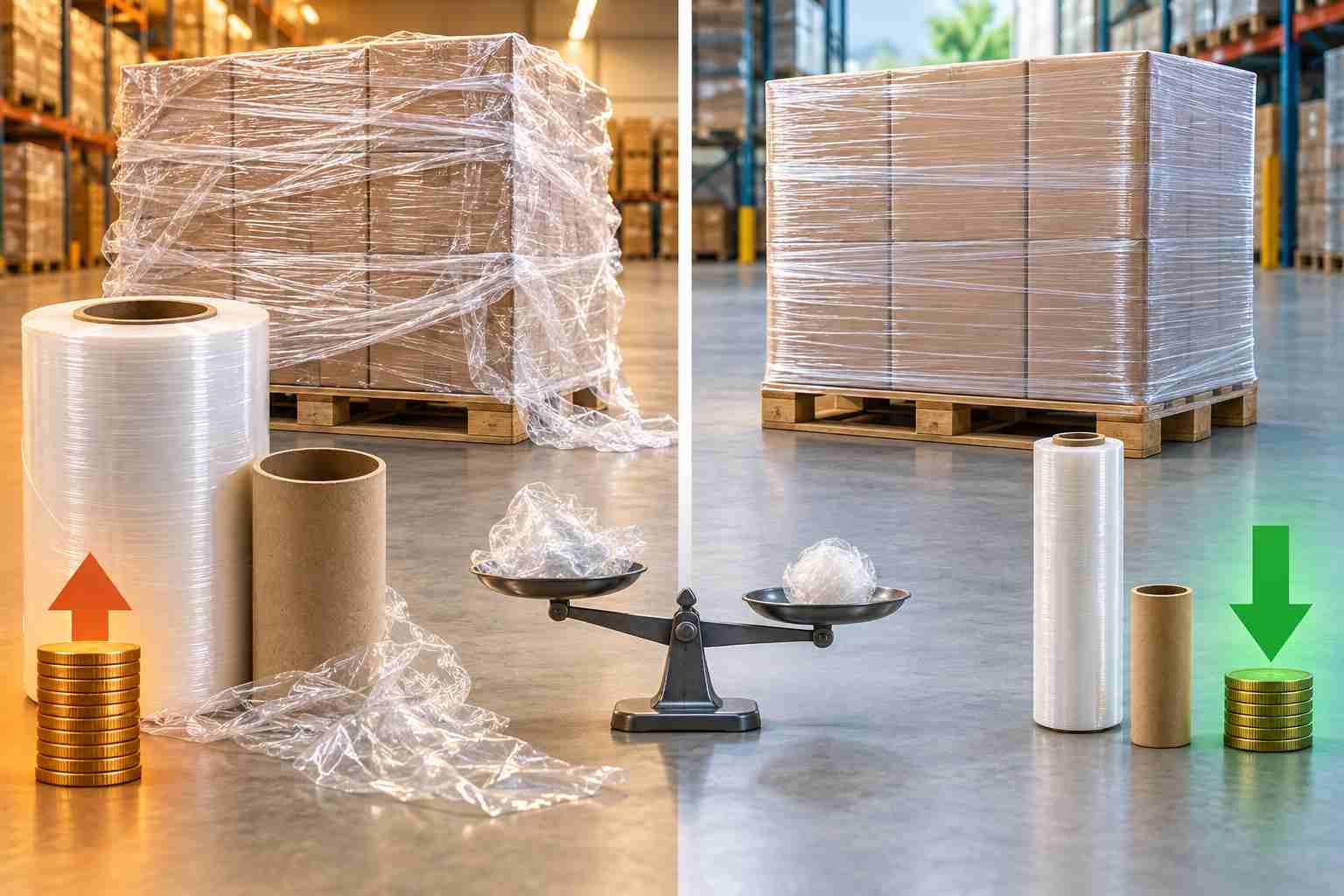
Film cost per pallet = net film used per pallet × delivered price per net kilogram
Then add measurable operating effects such as line stops, rewrapping, rejected pallets, and extra labour. Freight, duties, and local handling should also be included when comparing domestic and imported supply.
Net film weight matters. Ask for gross roll weight, core weight and net film weight as separate figures, and weigh a few empty cores from the trial rolls. For jumbo rolls, confirm whether the price is based on net film weight or gross shipping weight. Our guide on how to compare stretch film quotes covers this and eight other quote traps.
A higher-priced film can produce a lower cost per pallet if it runs at a higher usable pre-stretch, needs less film, and breaks less often. “Usable” is the important word. A brochure may state a high maximum elongation, while the buyer’s machine, load corners, or wrap pattern cannot use it reliably.
Run competing films with the same pallet, wrapper, speed, wrap pattern, and acceptance criteria. Record:
- net grams of film applied per pallet;
- number and location of film breaks;
- achieved pre-stretch at the load;
- load containment at the top, middle, and bottom;
- tail retention and cling behaviour;
- load movement after the agreed handling or transport simulation.
Do not approve a downgauged film solely because it wraps one clean test pallet. Include normal variation: slightly misaligned cartons, a realistic pallet edge, production-speed starts and stops, and the temperatures expected in storage and transit.
Choose the film around the load and wrapper
Cast film is a common choice for regular carton loads and high-volume machine wrapping. It generally offers clear optics, quiet unwind, and consistent gauge. Blown film is often considered for rough or irregular loads because buyers may need stronger resistance to puncture and tear propagation. These are useful starting points, but process names do not replace a pallet trial.
For a regular load with flat sides, test a machine-grade cast film at the wrapper’s normal powered pre-stretch. For mixed cartons, bags, or modest projections, give more weight to puncture resistance and edge-tear behaviour. Sharp metal parts, rough timber, and severe projections may require a heavier or more puncture-resistant film, corner protection, or a change to the load itself.
Ask the supplier to state the test method behind tensile, elongation, puncture, cling, and stress-retention figures. Two data sheets may use different conditioning, specimen direction, or extension level, so identical-looking numbers may not be directly comparable.
ASTM D4649 is a guide for selecting, specifying, and applying stretch film. ASTM D5458 covers peel cling, while ASTM D5459 covers elastic recovery, permanent deformation, and stress retention. ASTM D5415 evaluates load containment under vibration, and ASTM D8314 addresses testing of applied stretch film and stretch wrapping. These documents help buyer and seller define a test program; they do not turn a supplier’s general marketing claim into proof that a particular pallet is safe.
Four checks that expose a weak quotation
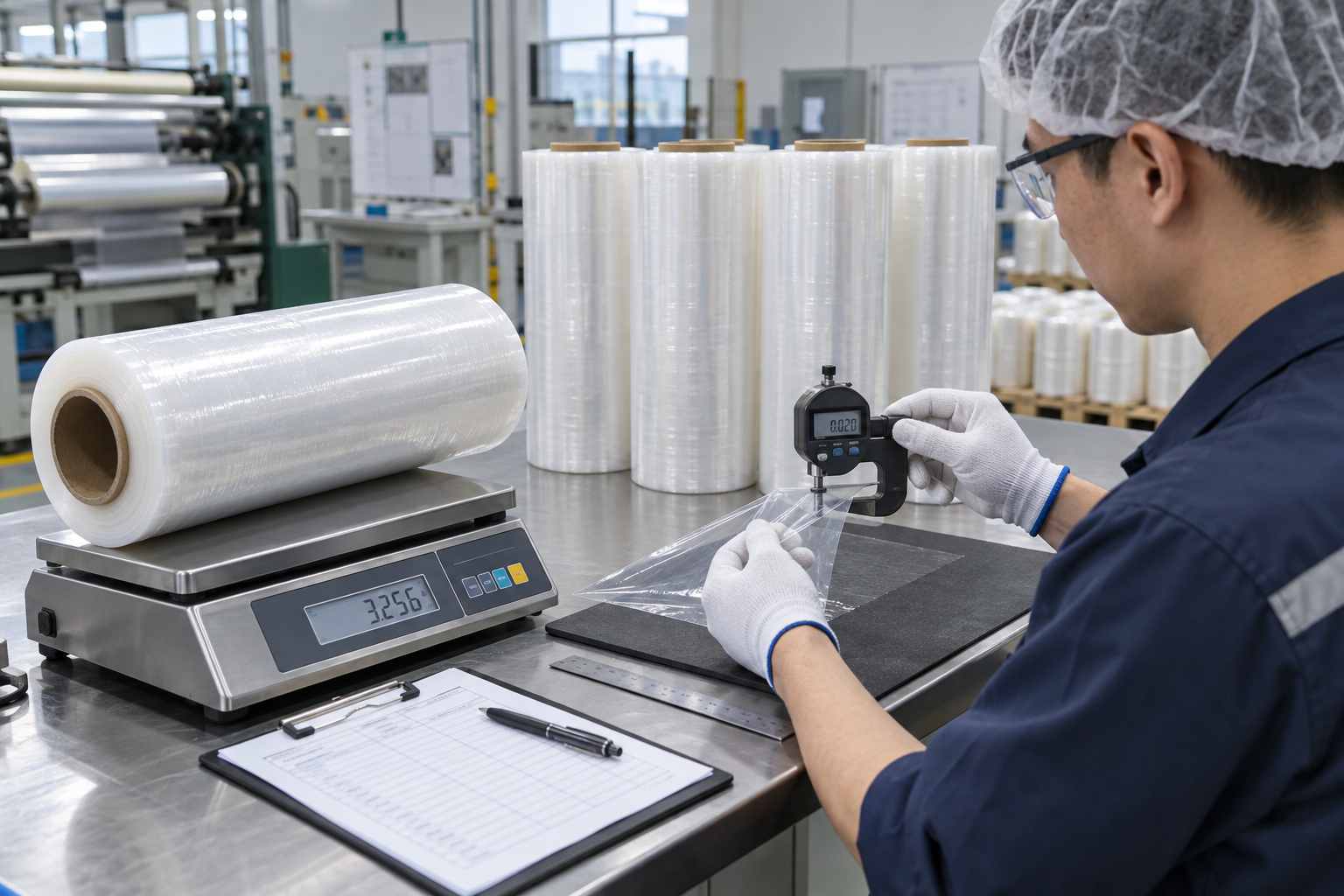
1. The quote leaves out net film weight or the real thickness
A roll price without core weight and net film weight cannot be compared fairly, and a gauge figure alone doesn’t show whether the film is true gauge or an “equivalent” rating. Put net film weight, core weight and the actual micron value in the RFQ and purchase order, and keep the approved sample on file so the bulk order can be checked against it. Our stretch film quotes guide shows how to put offers with different roll weights on one basis.
2. The roll edge is ignored
Telescoping, damaged edges, and poor winding can trigger breaks even when the resin is acceptable. Inspect roll faces and edges before the trial. Add photographs and objective winding criteria to the approval record.
3. The sample trial uses an easy setting
A supplier can make a weak film appear stable by lowering speed or pre-stretch and applying extra wraps. Fix the wrapper settings, wrap pattern, and pallet condition before comparing candidates. Film consumption must be weighed, not estimated from the number of revolutions.
4. Certificates are accepted at face value
Check the legal entity, factory address, product scope, issue date, expiry or surveillance status, and issuing body. A management-system certificate does not prove a film’s puncture resistance. A recycled-content certificate does not, by itself, prove that a specific shipment contains the amount required for a particular market.
A four-stage sourcing process that buyers can run
Stage 1: Issue one controlled RFQ
Describe the current film and the target result. Include wrapping method, machine model, pre-stretch ratio, pallet size, load weight and shape, annual volume, required documents, destination, Incoterm, and packaging format. Require suppliers to separate net film, core, and packaging weights.
Stage 2: Test production-representative samples
Request enough rolls to cover several shifts and normal load variation. Measure film per pallet, breaks, containment, tail security, and any need to slow the machine. Sign and retain the approved sample. If the supplier makes a special trial batch, require the same formulation and process limits for production orders.
Stage 3: Verify the factory and records
Confirm that the contracting entity controls the production being offered. Review extrusion and winding equipment, thickness control, test instruments, calibration records, incoming-material checks, nonconformance handling, batch identification, and finished-goods storage. Pay particular attention to whether custom or overflow orders are subcontracted.
Stage 4: Put measurable acceptance terms in the order
The purchase order should state the agreed material, dimensions, net film weight, core, the approved sample, winding quality, packing, test methods, sampling plan, documents, and remedy for nonconforming goods. Have qualified trade counsel review deductions, replacement, rejection, governing law, and dispute-resolution wording. Do not copy punitive percentages or warranty periods from a generic buying guide.
EU-bound orders need an early PPWR review
Regulation (EU) 2025/40 introduces recyclability, recycled-content, labelling, and other requirements on a phased timetable. Article 7 sets minimum post-consumer recycled-content targets for plastic packaging, including a 35% category for plastic packaging not covered by the specified contact-sensitive and beverage-bottle categories, rising to 65% in 2040. The 2030 start is subject to the regulation’s timing formula, implementing acts, exceptions, and packaging classification.
Buyers should therefore confirm how pallet stretch film is classified for their use, who holds the compliance obligation, how recycled content is calculated, and what evidence will accompany each shipment. Get advice for the destination market instead of adding “PPWR compliant” as an undefined line in the RFQ. A supplier offering GRS-certified recycled stretch film should also prove that the product still meets the agreed wrapping and load-stability requirements.
What to send when requesting a quote
Send each shortlisted supplier the same information:
- hand or machine application, plus wrapper make and model;
- current film label or specification and current problems;
- pallet dimensions, load weight, load shape, and sharp-edge risks;
- required width, nominal thickness, net roll weight, and core;
- current wrap pattern and powered pre-stretch ratio;
- monthly or annual quantity, destination, and Incoterm;
- private-label, carton, pallet, and document requirements;
- required sample quantity and the acceptance test plan.
For a Tuosheng pallet stretch film trial, include pallet photos or a short wrapping video with the data above. Ask for a written trial specification, sample timing, production lead time, MOQ, and the evidence needed for the destination market. That gives both parties a clear starting point and makes the later production shipment easier to inspect against the approved sample.
FAQ for stretch film buyers
How should buyers compare quotations with different roll weights?
Convert every offer to delivered cost per net kilogram of film, excluding the core and outer packaging. Then run the films on the same pallets with the same wrapper settings and calculate the film cost per pallet. Include freight, duties, line stoppages, and rewrapping where these costs can be measured. A per-roll comparison is unreliable when roll length, net film weight, or core weight differs.
How much sample film is needed before approving a supplier?
Request enough production-representative film to cover normal load variation and more than one operating shift. The trial should include the fastest normal line speed, the usual pallet types, and difficult loads that commonly cause breaks or movement. Record each roll’s batch number and retain an approved roll or sealed film sample for comparison with the first production shipment.
Is a 300% pre-stretch setting suitable for every pallet?
A 300% setting is suitable only when the film, powered pre-stretch carriage, wrap pattern, and load can support it without frequent breaks or loss of containment. Irregular or sharp-edged loads may need a lower setting, a more puncture-resistant film, edge protection, or additional wraps. Confirm the setting through a controlled pallet trial at normal production speed.
How can a buyer check whether a supplier controls production?
Match the legal name and factory address across the quotation, business registration, certificates, bank details, and export documents. During a live video audit or site visit, ask to see extrusion, winding, testing, raw-material storage, and finished rolls carrying the current batch code. The supplier should also disclose which processes or overflow orders are subcontracted.
Recommended Tuosheng Packaging Solution
Tuosheng Packaging manufactures hand stretch film and machine stretch film in Suzhou, China, with customizable thickness, width, roll length and export packing.