
Stretch film is the highly stretchable plastic film, usually made from LLDPE, that holds a palletized load together for transport and storage. It is also sold as stretch wrap or pallet wrap, and buyers will run into all three names in product catalogs and RFQs. On the surface it looks like a commodity, but the gap between a well specified film and a poorly matched one shows up quickly as load shift, product damage, wasted material, and downtime on the wrapping line.
This guide is built for the people who have to make that specification stick: procurement managers, packaging engineers, supply chain leads, and warehouse operations teams comparing options and preparing to buy. It walks through what stretch film is and how self-cling unitizes a load, the materials behind it from virgin LLDPE to GRS-certified recycled resin, and the main product types across hand, machine, pre-stretch, high cling, and high tensile film. From there it covers the specifications that actually belong in an RFQ, such as thickness in gauge or micron, width, pre-stretch ratio, and cast versus blown construction.
Later sections move from knowledge to decisions. You will find a framework for choosing thickness and load containment for industrial pallets, a method for calculating cost per wrapped pallet and building an ROI test around pre-stretch film, an application matrix mapping film choices to warehousing, logistics, and industrial use, and a closing FAQ paired with a supplier qualification checklist. Where specifications vary by film grade, equipment, or load type, this guide provides practical comparison ranges and explains how to verify the final choice through technical data and pallet testing. The goal is a working reference you can use to write specifications, compare suppliers, and validate a film against your own loads.
Table of Contents
- What Is Stretch Film and What Is It Used For?
- Stretch Film Materials: Virgin LLDPE, Recycled Resin, and GRS
- Types of Stretch Film: Hand, Machine, Pre-Stretch, High Cling, and High Tensile
- Stretch Film Specifications: Thickness, Width, Stretch Ratio, and Film Construction
- Cast vs. Blown Stretch Film: Which Construction Fits the Load?
- How to Choose Thickness and Load Containment for Industrial Pallets
- How Pre-Stretch Film Can Reduce Material Use and Cost per Wrapped Pallet
- Stretch Film Applications Across Warehousing, Logistics, and Industry
- Stretch Film FAQs and B2B Supplier Qualification Checklist
What Is Stretch Film and What Is It Used For?
Stretch film is a highly stretchable plastic film, typically made from linear low-density polyethylene (LLDPE), used to bind products to each other and to a pallet so a load stays stable through handling, shipping, and storage. It works by wrapping under tension around a load and relying on the film’s own cling and elasticity to hold everything in place. For B2B buyers, that single function, keeping a palletized load intact from the dock to delivery, is what connects material choice, film type, and specifications later in this guide.
What makes stretch film matter in procurement is not the film itself but what happens when a load is not contained properly. Shifted goods, collapsed pallets, damaged product, and rejected shipments all trace back to how well a load was unitized. Choosing the right stretch film is a load-containment decision first and a purchasing decision second, which is why it helps to start with the vocabulary buyers will encounter in catalogs and RFQs.

Stretch film, stretch wrap, and pallet wrap: the terms buyers will see
In sourcing conversations and product listings, the same product appears under several names. Stretch film, stretch wrap, and pallet wrap generally refer to the same category of stretchable polyethylene film used to secure loads. The naming often reflects the application context rather than a different material: pallet wrap emphasizes the palletizing use case, while stretch wrap and stretch film describe the film itself.
Treat these as synonyms during search and RFQ, not as separate materials with different performance. What actually distinguishes one product from another is the material grade, the film construction, the thickness, the width, and whether it is designed for hand or machine application. When comparing quotes, confirm you are comparing the same specification set rather than assuming a name difference signals a product difference. This matters most when a supplier’s catalog term differs from the one in your purchase requisition.
How self-cling film unitizes a load
Stretch film holds a load together through a combination of self-cling, applied tension, and multiple wraps around the load and pallet. As the film is stretched during application, it stores elastic tension and wants to return to its original dimensions, which pulls the wrapped items inward against the pallet. The film’s self-cling property lets successive layers adhere to each other so the wrap stays closed without heat, adhesive, or a separate sealing step. This cold application is one reason stretch film is used so widely: it does not require a heat tunnel to form the wrap.
Self-cling unitization has real limits. Stretch film stabilizes a load and resists shifting, but it is not a structural fastening system for every situation. Sharp corners, very heavy or unbalanced loads, and long or rough transport routes can exceed what film tension alone will hold, which is why containment force, wrap count, and film selection have to be matched to the actual load. Stretch film should not be treated as a blanket replacement for strapping or shrink wrap in applications that call for those methods.
Common industrial applications
Stretch film is used across a range of B2B environments. In warehousing, 3PL operations, and distribution centers, it unitizes pallets for freight shipping and keeps loads stable during storage and handling. In industrial settings, it bundles products such as cartons, metal tubes, and building materials for transport. In agriculture, it is used for baling and as an outer protective layer, and it can serve as food-grade outer packaging protection.
One caution applies to the food and agricultural cases. Where a film may be used for indirect food contact, food safety and applicable market compliance, such as FDA requirements, must be verified separately for the specific product and market. Do not assume a general-purpose stretch film is food-grade or compliant by default. The right way to handle these applications is to confirm the intended use with the supplier and request the relevant documentation before committing to a specification.
Stretch Film Materials: Virgin LLDPE, Recycled Resin, and GRS
Material choice sits underneath every other stretch film decision. It drives how the film stretches, how well it clings, how it resists puncture and tear, and increasingly, whether it meets a buyer’s sustainability and compliance obligations. This section covers the standard material, LLDPE, the role of recycled resin blends, and how to verify a GRS-certified recycled claim rather than take it at face value.
Why LLDPE is the standard material for stretch film
Linear low-density polyethylene is the typical base material for stretch film, and it earns that position through a specific combination of properties. LLDPE offers high elasticity and elongation, self-cling, load retention, puncture and tear resistance, and optical clarity or gloss. That mix is what lets a thin film stretch substantially, grip itself in successive layers, hold a load under tension, and still allow labels and barcodes to be read through the wrap.
Some LLDPE stretch films can reach elongation levels of 300% or more. Actual performance depends on the resin formulation, film construction, gauge, and test method, so products should be compared using supplier data measured under stated conditions.
Virgin LLDPE vs. PCR/PIR recycled resin blends
Optional blends incorporating post-consumer recycled (PCR) or post-industrial recycled (PIR) resin are available, commonly under GRS certification for buyers with recycled-content requirements. The choice between virgin and recycled-blend film is not only a performance question; it also affects supply chain sourcing, the performance validation you should require, and the compliance documentation you need on file.
The specific recycled content, PCR or PIR ratios, batch details, and certificate scope are not standardized across products and vary by supplier. Because of that, do not assume a fixed recycled percentage or treat one supplier’s blend as equivalent to another’s. Where recycled content matters to your program, make the percentage, the resin source, and the supporting documents explicit RFQ items rather than inferring them from a general product description.
What to verify in a GRS-certified recycled film claim
A GRS claim is only as strong as the documentation behind it. When a supplier presents a GRS-certified recycled film, ask for the valid certificate and its scope, material and batch traceability documents, and any applicable test data for the film you intend to buy. The Global Recycled Standard, maintained by Textile Exchange, sets out certification and traceability expectations, and the current certificate status, scope, and recycled-content terms should be verified against the supplier’s live documents before purchase.
Terms such as “eco-friendly” or “recycled” should be supported by documentation. Check that the certificate is current, covers the relevant product and production site, and shows traceability from the recycled resin to the finished roll. Keep the recycled-content declaration and supporting performance data in the supplier file.
How to compare tensile performance responsibly
When comparing recycled-blend film against virgin LLDPE, or comparing two suppliers, use the same measurement basis across all candidates: tensile properties, puncture resistance, tear resistance, and load-containment behavior measured under comparable conditions. A comparison only means something when the test methods, sample conditions, and load profiles line up. Comparing one supplier’s best-case figure against another’s conservative figure produces a decision built on noise.
Recycled-blend film should not be assumed to match virgin LLDPE at the same gauge. Compare tensile, puncture, tear, and load-containment data measured under the same conditions, then test the shortlisted film on representative loads.
Types of Stretch Film: Hand, Machine, Pre-Stretch, High Cling, and High Tensile
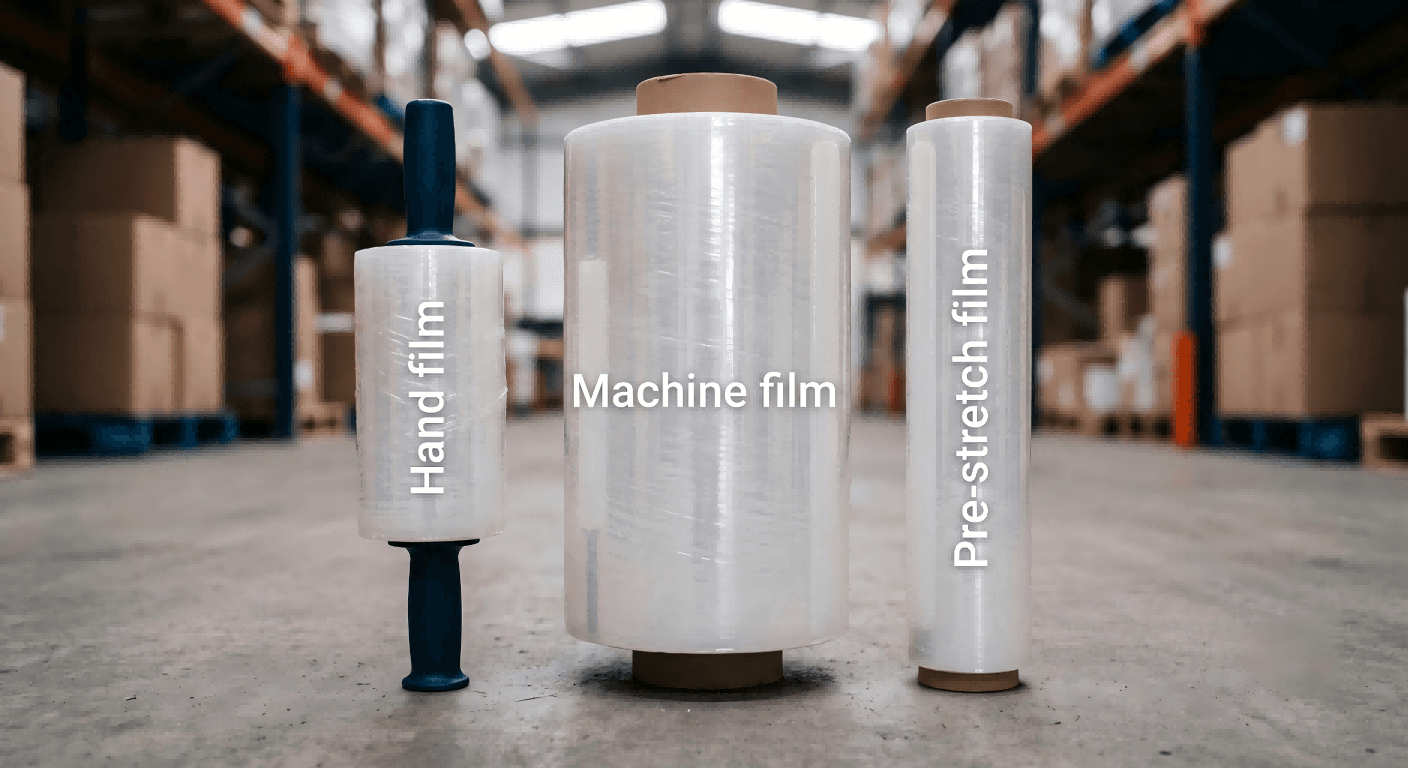
Stretch film is sold in several types that map to how it is applied and what performance it prioritizes. The main split is between hand and machine film, with pre-stretch film and performance-oriented options such as high-cling and high-tensile film addressing efficiency and specific load conditions. Use these categories to shortlist products by your equipment, load, and handling method before moving on to detailed specifications.
Hand stretch film
Hand stretch film is designed for manual wrapping and suits low-to-moderate throughput operations where a machine is not justified. It is typically supplied in narrower rolls sized for handheld use, often with a dispenser to control tension and reduce operator strain. Where volumes are modest or loads vary widely, hand film keeps the operation flexible without capital investment in wrapping equipment.
The main cautions are ergonomic and specification-related. Heavy hand rolls and repetitive wrapping create operator fatigue and ergonomic risk, so a dispenser and sensible roll weight matter for any operation doing meaningful volume by hand. And no single thickness suits every load: the right hand-film gauge depends on load weight, shape, and transport conditions, which is why thickness should be matched to the load rather than defaulted across the board.
Machine stretch film
Machine stretch film is made for automatic and semi-automatic wrapping equipment, where consistent tension control and steady throughput are the priorities. It is generally supplied in wider rolls than hand film and is engineered to run at machine speeds with controlled, repeatable tension. For higher-volume operations, machine wrapping delivers more consistent containment than hand application.
The key selection point is equipment compatibility. Roll dimensions, core size, and film characteristics have to match the specific wrapping machine, and pre-stretch capability varies by machine type. Confirm the film specification against your equipment during the RFQ rather than assuming a machine grade will run on any wrapper. Getting this wrong shows up as film breaks, inconsistent tension, and downtime rather than as an obvious purchasing error.
Pre-stretch film
Pre-stretch film is stretched during manufacturing or by the wrapping equipment before it is applied to the load, which can improve roll yield and reduce the material weight used per pallet. Depending on the film grade and wrapping equipment, machine pre-stretch may operate from approximately 150% to 300% or more. The achievable pre-stretch depends on the film grade, wrapper configuration, and load profile.
Because pre-stretching relates the stretch ratio, applied tension, and film consumption to one another, the actual savings for your operation cannot be read off a datasheet. Any reduction in film weight per pallet has to be calculated against your own baseline and confirmed with representative pallet testing. The mechanism is real and worth evaluating; the specific savings figure is something you establish with data, not something to assume from the ratio alone.
High-cling and high-tensile options
High-cling and high-tensile films are performance-oriented options organized around different priorities. High-cling film emphasizes self-cling and holding force, which helps keep layers locked together and the wrap closed on loads that benefit from stronger cohesion. High-tensile film emphasizes puncture resistance and stability under heavier or more demanding loads, where the film has to resist stress without failing.
The important discipline here is not to read a product label as proof of tested performance. “High cling” and “high tensile” describe the design intent of the film, not a verified result for your specific load. Match the option to your requirement, cohesion and holding force for one case, puncture resistance and heavy-load stability for another, and then confirm the actual performance with the supplier’s test data and, where the load justifies it, your own sample testing.
Stretch Film Specifications: Thickness, Width, Stretch Ratio, and Film Construction
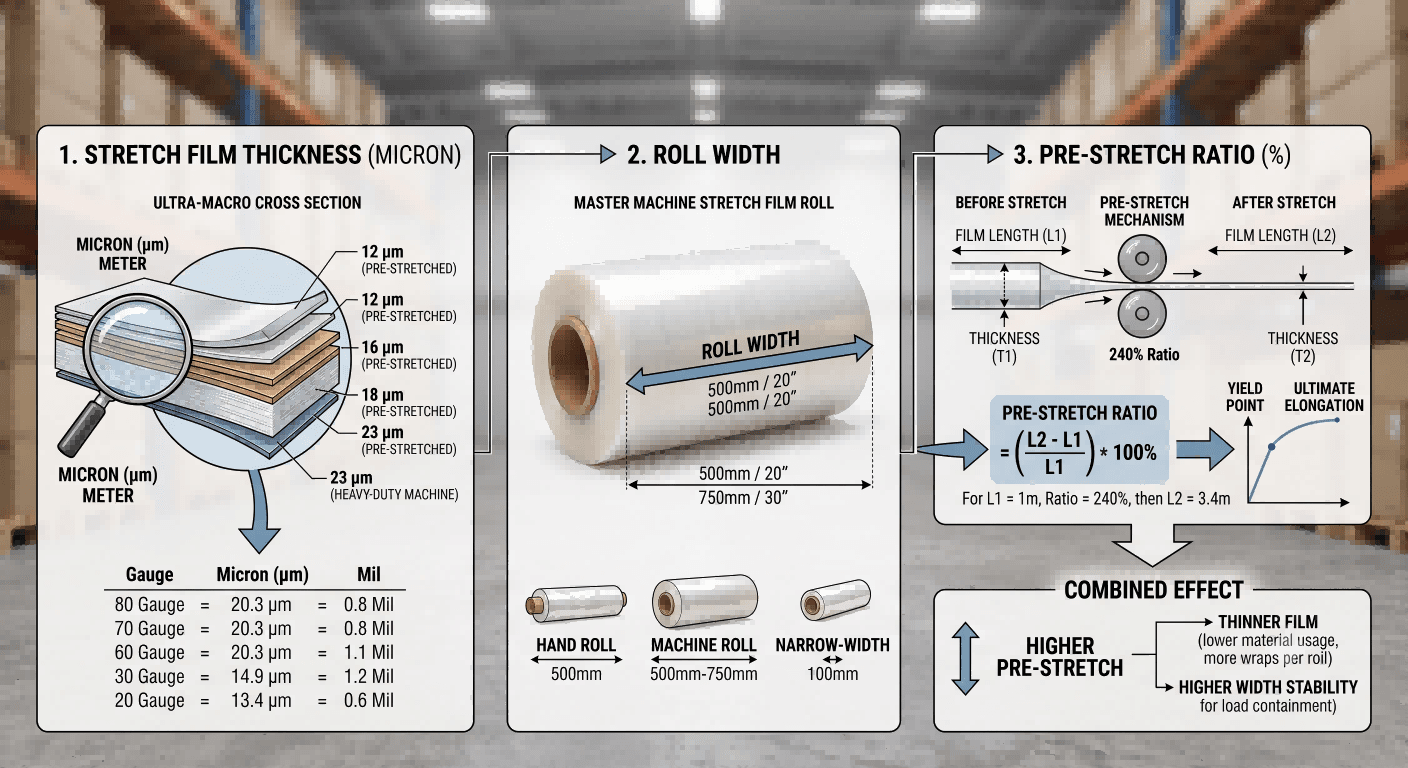
Once you have narrowed down the film type, the next step is reading the specification sheet without getting lost in it. A stretch film spec is only useful when each number connects back to your load, your equipment, and the way you plan to verify performance. Thickness, width, pre-stretch ratio, and construction are the four fields that shape most purchasing decisions, so it helps to treat them as related variables rather than isolated figures on a table.
Use the ranges below to compare products and prepare your RFQ. Set the final specifications according to your load profile, wrapping equipment, containment requirements, and the supplier’s documented roll data.
Thickness and gauge: 7 µm-50 µm
Buyers usually see film thickness expressed in one of two ways: micron (µm), common in metric markets, and gauge, common in North America. Both describe the same physical property, so the first thing to confirm in any quote is which unit the supplier is using and that both sides are comparing like for like.
Stretch film products covered in this guide span approximately 7–50 µm and can be grouped into three practical selection bands:
- Thin or pre-stretched films, roughly 7-12 µm, associated with high-efficiency machine and pre-stretch applications.
- Medium films, roughly 15-20 µm, associated with general hand-wrapping.
- Heavy films, roughly 20-50 µm, associated with machine wrapping and heavier loads.
Use these thickness bands to shortlist suitable films. A thinner high-performance film can outperform a thicker basic film, while a heavier gauge may add material without improving containment. Compare shortlisted films on a representative pallet using the same wrap pattern, tension, handling, and transport conditions, which is covered later in this guide. When a supplier lists a gauge, ask how that thickness holds up across the roll, because consistency matters as much as the nominal number.
Width and roll formats: 100 mm-2,000 mm
Width is dictated by your load dimensions and your wrapping method. Available widths can range from narrow bundling rolls to machine-film formats of up to 2,000 mm, depending on the application and wrapping equipment.
Hand rolls appear in narrower formats, with 100 mm, 400 mm, 450 mm, and 500 mm among the common widths. Narrow hand rolls suit bundling and edge or corner reinforcement, while the wider hand rolls cover standard pallet faces. Machine rolls run wider, in the 500 mm to 2,000 mm range, so a single pass can cover more of the load and support higher throughput on automatic and semi-automatic equipment.
Width is where specification sheets often go quiet on the details that affect real cost and fit. Core diameter, roll length, and net film weight vary by product and supplier, so each should be stated clearly in the RFQ. These details affect wrapper compatibility, usable yield, roll-change frequency, and the true amount of film being purchased. They directly influence how many pallets a roll wraps and how often operators change rolls, which is why they belong in the quote alongside width.
Pre-stretch ratio and usable yield
Pre-stretch ratio describes how far the film is elongated before it is applied to the load, whether by a powered pre-stretch head on a machine or by the mechanics of the film and dispenser. Machine and pre-stretch films may operate across a broad pre-stretch range, often from approximately 150% to 300% or more, depending on the film grade and wrapper system.
The reason this figure matters is yield. Elongating film before application can let the same weight of resin cover more surface area, which affects how much film you consume per pallet. Higher ratio, film tension, and roll consumption are linked, so a higher pre-stretch capability can translate into lower material use per wrapped pallet, but only when the film, the equipment, and the load allow it.
Pre-stretch capability depends on the film grade, wrapper carriage, tension settings, and load profile. When comparing films, record the target pre-stretch ratio, actual film consumption per pallet, film-break rate, and final load containment. Use those results—not the headline percentage alone—to calculate expected savings.
Cast vs. blown construction at a glance
Construction refers to how the film is manufactured, and it is one of the most consequential lines on a spec sheet because it shapes clarity, unwind behavior, puncture resistance, and cling. At the specification stage, it is enough to note the headline trade-off:
- Cast stretch film is associated with high clarity and a quiet unwind.
- Blown stretch film is associated with superior puncture resistance and high cling.
That short comparison is usually what you need to shortlist a construction on a spec table. The fuller decision, including how each behaves against sharp corners, barcode scanning, and temperature, is covered in the next section so you can match construction to the actual load rather than to a label.
Proposed buyer specification table
Pulling these fields together gives you a spec framework you can reuse across quotes and sampling. Rather than comparing suppliers on a single figure such as price per roll, this format keeps the load, the equipment, and the verification requirements visible in one place. Product-specific fields are marked as RFQ items so buyers can compare quotations on the same specification basis.
| Specification field | What to capture | Notes |
|---|---|---|
| Material | Virgin LLDPE, or PCR/PIR recycled blend under GRS | State recycled content and attach the applicable certificate scope |
| Construction | Cast or blown | Match to clarity, puncture, and cling needs in the next section |
| Thickness | Required value and tolerance in µm or gauge | Confirm the unit and thickness consistency across the roll |
| Width | Required width within the available 100–2,000 mm range | Match to load face and wrapping method |
| Roll format | Core diameter, roll length, net weight | Supplier-specific; state clearly in the RFQ |
| Pre-stretch ratio | Target ratio, typically 150%–300%+ depending on the film and equipment | Confirm practical setting and yield against your baseline |
| Cling / tensile requirement | Required holding behavior for the load | Verify with test data, not label wording |
| Load profile | Weight, dimensions, corners, handling, transport | Drives every other field |
| Certifications | GRS or other required documents | Confirm current, in-scope certificate |
| Test documents | Tensile, puncture, tear, containment reports | Compare like-for-like methods |
Used this way, the table becomes the backbone of an RFQ. It also makes the comparison honest, because it forces both you and the supplier to separate what is specified from what still needs to be confirmed by sampling and test data. For the product range and quote entry point, you can start from the supplier’s stretch film products overview, and where recycled content is required, the GRS-certified recycled materials documentation supports the certification and traceability line of the table.
Cast vs. Blown Stretch Film: Which Construction Fits the Load?
Cast and blown are the two dominant ways stretch film is manufactured, and the choice between them is one of the more practical decisions a packaging buyer makes. Neither is universally better. The right construction depends on the shape of your load, how it is handled, whether barcodes need to stay readable, and the environment the pallet travels through. This section keeps the comparison grounded in verifiable behavior and gives you a way to validate performance instead of relying on a single blanket claim.
Cast stretch film: clarity and quiet unwind
Cast stretch film is associated with high clarity and a quiet unwind. The clarity is useful wherever the wrapped load needs to stay visible, for example when operators or automated systems scan barcodes and labels through the film, or when warehouse staff need to identify contents at a glance. The quiet unwind reduces the noise generated as film is dispensed, which can matter in staffed wrapping stations and continuous operations.
Those two characteristics describe how cast film behaves during application and identification, not how much force it will ultimately hold on a given load. Holding force and resistance at the corners depend on the specific film and its test data, so treat clarity and quiet unwind as reasons to shortlist cast film, then confirm containment and puncture performance against the product’s own test documents rather than assuming them from the construction alone.
Blown stretch film: puncture resistance and cling
Blown stretch film is associated with superior puncture resistance and high cling. Higher puncture resistance suits loads with sharp corners, protruding edges, or hard points that would challenge a more delicate film, and the stronger cling helps the film grip itself and the load through more demanding wraps. Blown film often trades away some of the optical clarity and quiet unwind that cast film offers, which is part of the balance you are weighing.
Be careful with language here. Better puncture resistance is not the same as being puncture-proof, and no film should be described that way. The practical position is that blown construction gives you a stronger starting point for tough or irregular loads, with the actual margin confirmed by puncture and tear test data for the specific film you are considering.
Choose by load shape, handling, and scanning needs
Because both constructions have genuine strengths, the useful decision is scenario-based. Work through the load rather than the label:
- Sharp corners or protruding hardware: lean toward blown for its puncture resistance, and verify with a puncture and tear test on a representative load.
- Barcode and label visibility: lean toward cast for its clarity so scanning stays reliable through the film.
- Equipment unwind behavior: match the film to your dispenser or wrapping machine, and factor in that cast film’s quieter unwind can suit staffed stations.
- Cling requirement: where the load needs a firmer self-grip through the wrap, blown’s higher cling is an advantage.
- Tension control: confirm the film performs at the tension and number of wraps your equipment applies, since containment comes from film, tension, and application together.
When a load pulls in two directions at once, for example sharp corners that also need to be scanned, that tension is exactly what sample testing is meant to resolve. Let the results on your own pallet settle the trade-off rather than a general rule.
Extreme-temperature validation checklist
Extreme-temperature performance depends on the film formulation, gauge, applied tension, and exposure time. If pallets will pass through cold storage, high heat, or repeated temperature changes, test the film under conditions that reflect the actual transport and storage cycle.If your pallets are stored or shipped through cold, hot, or fluctuating conditions, run a sample protocol before committing.
A workable validation checklist covers:
- Temperature range: test across the actual storage and transport temperatures the load will see, including any cold-chain or high-heat segments.
- Load: use a representative pallet at real weight and shape, not a light stand-in.
- Dwell time: hold the wrapped load at the target temperature for a period that reflects real storage or transit duration.
- Wrapping tension: apply the film at the same tension and wrap count your equipment will use in production.
- Transport vibration: simulate the movement and vibration of shipping so you can see whether the wrap loosens or the film degrades.
Record what happens: film snapping, tearing, load shift, and whether barcodes stay readable. Do not carry a number into the specification that testing has not confirmed. Between two films with similar spec sheets, the one that holds a representative load through your real temperature and transport profile is the one that fits, and that evidence belongs in your supplier file alongside the specification table from the previous section.
How to Choose Thickness and Load Containment for Industrial Pallets
There is no single micron value that fits every industrial pallet. The right thickness and load containment for stretch film depend on the load itself, how it is handled, and the conditions it moves through. This section covers how to get past a default gauge and build a defensible choice around film tension, holding force, and puncture and tear resistance.
Start with the load profile, not a default micron value
Before comparing any stretch film thickness, document the load. Record total weight, footprint and height, center of gravity, any sharp corners or protruding edges, surface friction between the items, the pallet type, the transport distance, and the temperature and humidity the load will see. A dense, stable load on a clean block pallet behaves very differently from a tall load with metal edges heading into a long freight route.
Because these variables change from one shipment to the next, no universal thickness answer exists. Use the load profile as the baseline that every later decision refers back to, rather than starting from a gauge someone used on a different product.
Balance gauge, stretch, and puncture/tear resistance
Once the load is documented, treat thickness as a trade-off rather than a fixed target. A thinner gauge lowers material weight per pallet, while a heavier gauge or a construction with stronger puncture and tear resistance protects loads with sharp corners or rough surfaces. Higher stretch can reduce the film weight applied per pallet, but only if the film still holds the load without snapping or tearing at the corners.
For initial product selection, thin or pre-stretched films are often evaluated around 7–12 µm, general hand films around 15–20 µm, and heavier machine films around 20–50 µm. The final gauge should reflect the load shape, edge risk, required containment, and wrapping equipment.
Optimize holding force and film tension
Holding force, sometimes called containment force, is what actually keeps a load unitized in transit. It comes from the combination of film tension, the number of wrap revolutions, and how those wraps are distributed across the top, body, and base of the load. A film can carry a high tensile rating and still fail to stabilize a load if the tension is set too low or the wrap pattern leaves the upper layers loose.
Set a containment target for each load class, then define the tension setting, wrap count, and pattern needed to reach it, and record those settings so results stay consistent and auditable across shifts. On machine film, controlled tension also matters because it lets a thinner gauge perform without breaking during application.
Validate with a pallet test protocol
Confirm the choice with a repeatable pallet test before rolling it out. Wrap a representative load at the chosen thickness, tension, and wrap count, then put it through the handling and transport conditions it will actually face, including forklift moves, stacking, and a transport or vibration simulation.
Track what happens: film snapping or tearing, load shift, corner failures, barcode readability, and any downtime caused by re-wrapping or rejected loads. If the load stays contained and scannable through the full cycle, you have a defensible specification. If it does not, adjust gauge, construction, tension, or wrap count and test again rather than adding material blindly.
How Pre-Stretch Film Can Reduce Material Use and Cost per Wrapped Pallet
The purchase price of a roll is not the cost that matters most. For pallet wrapping, the number to manage is the total cost per wrapped pallet, and pre-stretch film is one of the main levers for lowering it. This section gives you the input variables, the comparison method, and a simple test so you can measure real savings instead of assuming them.
Define the cost per wrapped pallet
Start by building the cost per wrapped pallet from its parts rather than from roll price alone. The framework includes film purchase cost, usable film per roll and rolls consumed, film used per pallet, labor, equipment, downtime, and the cost of damage or rework from failed loads. A cheaper roll that uses more film per pallet, adds labor, or raises damage rates can cost more per pallet than a film that looks more expensive on paper.
Enter the actual film price, net film weight, roll length, film consumption per pallet, labor time, and rewrap or damage rate for your operation. Using real operating data produces a more reliable comparison than estimating savings from roll price alone.
Compare standard and pre-stretch workflows
Compare workflows on equal terms. Hold the load and the containment target constant, then measure film weight per pallet, wrap revolutions, roll consumption, operator time, and the resulting load stability for each option. Pre-stretch film is designed to extend the film further during application, which can lower the film weight applied per pallet, but that benefit only counts if containment holds.
This is why single-roll price is a poor basis for a decision. A pre-stretch approach may use less film per pallet while a standard film uses more, so the meaningful comparison is cost and performance across the same set of wrapped pallets, not the price on the box.
Build a simple ROI test
Turn the comparison into an ROI test with a clear baseline. First, record your current method as it runs today: film weight per pallet, rolls consumed over a set period, labor time, and failure or rework rate. Then run an A/B sample test on representative pallets, wrapping one set with the current film and one with the pre-stretch option under the same containment target.
Calculate total cost per wrapped pallet, failure rate, and material weight per pallet for each set. If the pre-stretch option lowers total cost per pallet while holding loads through your handling and transport conditions, the savings are documented rather than assumed. Keep the test loads and conditions representative, since results measured on an easy load will not predict performance on a difficult one.
Connect cost reduction with material reduction
Material reduction and cost reduction often move together, but they are not automatically the same thing. A pre-stretched thin-gauge approach may reduce the plastic weight applied per pallet, which can support both a lower material spend and a sustainability goal. Whether it is actually cheaper or greener depends on real roll consumption and, where recycled content matters, on certified material data.
Confirm both sides with numbers. Measure film consumption per pallet to support any material or cost reduction claim, and verify recycled content and GRS documentation separately before presenting a film as more sustainable. Treating the two as one assumption is where cost and environmental claims tend to overstate what the data supports.
Stretch Film Applications Across Warehousing, Logistics, and Industry
Stretch film shows up in almost every stage of a physical supply chain, but the right specification changes with the environment it works in. A film that performs well on a slow manual line in a small warehouse can be the wrong choice for a high-throughput distribution hub, and a film chosen for clarity on a scanning line may not hold up against sharp-edged industrial goods. The point of this section is to map common B2B scenarios to the equipment, load risks, scanning needs, and sustainability goals that should drive the spec, so a general understanding of stretch film packaging turns into a defensible purchasing decision. Treat the guidance below as a way to narrow options, then confirm the final specification with sample testing on your own loads.
Warehousing, 3PL, and Distribution Hubs
Warehouses, third-party logistics operators, and distribution hubs usually make their film decision around throughput, wrapping method, barcode readability, and load stability. Higher-volume sites tend to justify machine wrapping and machine-grade film, while lower-volume or highly variable operations often stay with hand film and dispensers. Where pallets are scanned frequently, optical clarity matters, which is one reason cast construction is often considered for scanning-heavy environments. Where loads are handled and re-handled many times before they reach the customer, holding force and film tension carry more weight than any single clarity or cost figure.
When you specify film for this environment, work through a short list of questions:
- What is the daily and peak pallet throughput, and does it justify a machine wrapping investment?
- Are pallets wrapped by hand, by semi-automatic turntable, or by fully automatic equipment?
- How often are barcodes and labels scanned through the film, and does that require higher clarity?
- How many times is each load handled, moved, and staged before final delivery?
- What load stability problems, if any, show up today (leaning stacks, film breakage, load shift in transit)?
Answer those first, then match the film to the equipment and the handling profile rather than to a headline gauge number. Confirm equipment compatibility, roll format, and tension settings in the RFQ, since machine film and hand film are not interchangeable across systems.
Industrial Product Bundle Wrapping
Industrial bundle wrapping covers cartons, metal tubes and pipes, building materials, and similar goods that are grouped and secured for transport rather than stacked on a conventional pallet. The dominant risk here is physical: sharp corners, protrusions, and abrasive surfaces that can cut or puncture film during wrapping and transit. For these applications, puncture and tear resistance and adequate holding force usually matter more than optical clarity, which is why blown construction and its higher cling and puncture resistance are often evaluated for edge-heavy loads.
Before you lock a specification for bundled industrial goods, check the following:
- Where are the sharp edges, corners, and protrusions, and can they be padded or oriented away from the film?
- Does the film need to resist puncture and tearing during both wrapping and rough handling?
- Is holding force sufficient to keep the bundle unitized through the full transport route?
- Will the bundle sit outdoors or in a yard where exposure adds stress to the film?
Set holding-force and puncture requirements using representative bundles with the same edges, weight, wrapping method, and transport conditions as the production load. Record punctures, tear propagation, load movement, and film consumption before approving the specification.
Avoid absolute descriptions such as puncture-proof; even a high puncture resistance film can fail against the wrong edge without the right gauge, tension, and wrap pattern.
Agricultural Bale and Food-Grade Outer Packaging
Agricultural bale wrapping and food-grade outer protection require application-specific film and compliance checks. Stretch film can serve as an outer protective layer that unitizes and shields goods, and cold application means it works without a heat tunnel.
For anything touching food, the caution is specific. If the film will be used for indirect food packaging contact, food safety and FDA compliance, or the equivalent regulation in your target market, must be verified for that exact product and application. Do not treat stretch film as food-grade or FDA-compliant by default, and do not extend a compliance statement from one market to another. Ask the supplier for the applicable compliance documentation tied to the specific film and use case, and keep the packaging role (outer protection versus direct contact) clearly defined in the RFQ.
B2B Selection Matrix for Stretch Film
The matrix below pulls the scenarios together so buyers can see how equipment, load, and construction interact. It is a starting framework for shortlisting and RFQ preparation, not a set of guaranteed recommendations. The thickness ranges help buyers shortlist suitable products. Final specifications should reflect the wrapping equipment, load profile, handling conditions, and results of a representative pallet trial.
| Scenario | Typical equipment | Load weight / shape | Film construction to evaluate | Thickness | Sustainability requirement | Test evidence needed |
|---|---|---|---|---|---|---|
| Warehouse / 3PL / distribution, scanning-heavy | Semi-automatic or automatic machine wrapping | Mixed pallets, regular shapes, frequent handling | Cast (clarity, quiet unwind) as a starting point | Machine range 20-35 µm, or thinner pre-stretch films where validated | GRS / recycled options if ESG targets apply | Load stability and barcode readability on sample pallets |
| Low-volume or variable manual operation | Hand wrapping with dispenser | Light to medium loads, irregular mix | Hand film, cast or blown per handling risk | Hand range 15-20 µm | Optional recycled content if required | Operator handling test, containment check |
| Industrial bundles (tubes, building materials) | Hand or machine wrapping | Sharp edges, protrusions, heavy or long items | Blown (puncture resistance, high cling) | Confirm against load; heavy range 20-50 µm often evaluated | Recycled content subject to performance validation | Puncture, tear, and holding force testing on real bundles |
| Agricultural bale / food-grade outer layer | Application-specific equipment | Bulky outer packaging | Construction per handling and exposure | To be confirmed by application | Recycled options subject to compliance | Food-contact / FDA verification where applicable; sample testing |
| Pre-stretch cost-reduction program | Machine wrapping with pre-stretch capability | Stable, repeatable pallet profile | Cast or blown pre-stretch film | Thin / pre-stretched 7-12 µm where validated | Material reduction per pallet as an ESG lever | A/B pallet test measuring film weight and containment |
Use the matrix to reach a shortlist, then treat the “to be confirmed” and testing columns as required steps, not optional ones. The stronger your test evidence, the less you rely on marketing claims when you compare suppliers. For the product ranges behind these scenarios, see the stretch film products overview, and confirm any recycled-content option against the GRS-certified recycled materials documentation.
Stretch Film FAQs and B2B Supplier Qualification Checklist
This section answers the questions buyers ask most often, then turns those answers into a supplier qualification checklist you can attach to an RFQ. The goal is to connect technical comparison, certification documents, specification consistency, and the actual purchasing decision, so evaluation stays evidence-based rather than claim-based.
FAQ: Which Stretch Film Is Best for Pallet Wrapping?
There is no single best stretch film for pallet wrapping, because the right choice depends on your equipment, load, corners, required tension, clarity needs, and sustainability goals. A scanning-heavy distribution operation may favor a cast film for clarity and quiet unwind, while bundles with sharp edges may need a blown film for puncture resistance and cling. Throughput determines whether hand or machine film fits, and the load profile drives thickness and holding force rather than a default gauge. The practical answer is to use a selection matrix to shortlist candidates, then run a sample test on representative pallets. That test tells you which film actually holds your loads through handling and transit, which is the only comparison that settles the “best” question for your operation.
FAQ: How Do Hand and Machine Stretch Film Differ?
Hand and machine stretch film differ mainly in how they are applied and in the equipment they are built for, not in a simple quality ranking. Hand film is designed for manual wrapping with a dispenser and suits lower or variable throughput, though heavy manual rolls raise ergonomic concerns and slow the line. Machine film is engineered for semi-automatic or automatic equipment with controlled tension and steadier output, and it enables pre-stretch on capable systems. The two are not interchangeable across systems, so equipment compatibility must be confirmed in the RFQ. Neither type is inherently higher quality; each is optimized for a different operation. Choose based on throughput, wrapping method, tension control, and the labor impact you are trying to manage, then verify roll format and machine settings with the supplier.
FAQ: What Micron Is Needed for a Heavy Industrial Load?
There is no fixed micron value that answers this without knowing the load, because thickness alone does not determine containment. Heavy machine-grade applications often begin with films in the 20–35 µm range, but weight alone does not determine the required gauge. Sharp edges, load height, package movement, and containment requirements may justify a different construction or thickness. Heavy industrial loads bring their own variables: total weight, dimensions, center of gravity, sharp corners and protrusions, surface friction, pallet type, transport distance, and temperature and humidity. Two loads at the same weight can need different film if one has exposed edges and the other does not. The reliable method is to record the load profile, select candidate films across the relevant range, and validate holding force, film tension, puncture, and tear resistance on representative pallets. In the RFQ, state the proposed gauge together with the load profile, required containment, and acceptance test.
FAQ: Does GRS Recycled Film Have the Same Tensile Strength as Virgin LLDPE?
That equivalence cannot be assumed, and it should not be promised without matching test data. GRS certification verifies recycled-content traceability; it does not establish mechanical equivalence with virgin LLDPE. Compare both films at the same gauge and under the same tensile, puncture, tear, and pallet-containment test conditions. Ask the supplier for tensile, puncture, tear, and load containment data measured under the same conditions for both films, and require the GRS documentation that supports the recycled-content claim, including the valid certificate scope and material or batch traceability. Recycled resin blends can be a sound sustainability choice when the certification and performance are documented, but the responsible comparison uses like-for-like test reports on your loads. Confirm recycled-content and certification details against the GRS-certified recycled materials documentation before you commit.
RFQ and Supplier Qualification Checklist
Use this checklist to convert your shortlist into a structured RFQ and to qualify suppliers on evidence rather than marketing language. Complete each product-specific field with supplier documentation, technical data, or sample-test results before comparing quotations.
- Material: 100% virgin LLDPE, or a PCR/PIR recycled resin blend, stated explicitly with the resin source.
- PCR/PIR and GRS documentation: valid certificate scope, current status, material and batch traceability, and recycled-content details, all verified before purchase.
- Thickness consistency: the target thickness and the tolerance held across rolls and batches, not just a nominal gauge.
- Width and roll format: required width and tolerance, core diameter, roll length, and net film weight.
- Pre-stretch capability: whether the film supports pre-stretch, the target pre-stretch ratio and the equipment settings used to reach it, and the equipment settings used to reach it.
- Cast vs. blown construction: the construction that matches your clarity, cling, and puncture priorities, with the reasoning documented.
- Cling and tensile requirements: the self-cling and load containment behavior you need, supported by test data under stated conditions.
- OEM and custom dimensions: any custom widths, lengths, printing, or packaging, with confirmed feasibility and lead time.
- Sample testing: representative pallets or bundles wrapped and transport-simulated, recording snapping, tearing, load shift, barcode readability, and downtime.
- Compliance for special uses: food-contact, FDA, or other market compliance verified for the exact film and application where relevant.
- Quality records and delivery reliability: batch documentation, quality history, and the supplier’s ability to meet volume and lead-time commitments.
A supplier that can populate this checklist with documents and test results is easier to compare and lower risk than one that answers with claims. When you are ready to move from evaluation to sourcing, review the stretch film products range and bring this checklist into your first RFQ conversation.
Recommended Tuosheng Pack Solution
For buyers looking for reliable stretch film solutions, Tuosheng Pack supplies hand stretch film, machine stretch film, pre-stretched film and specialty packaging films with customizable thickness, width, roll length and packaging options.
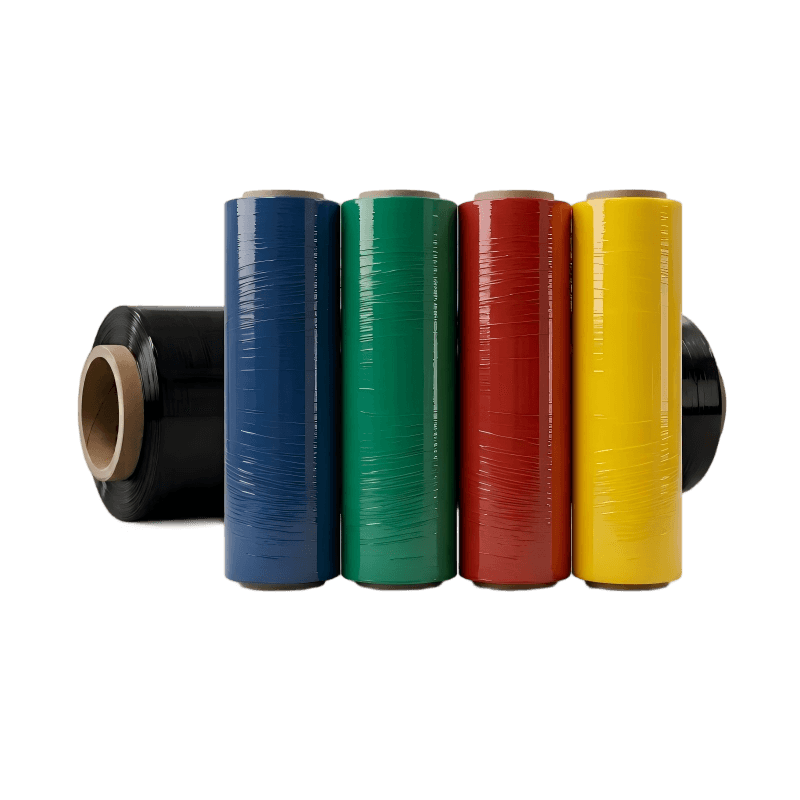
Colored Stretch Film
Custom color options for product identification, privacy protection and branded packaging needs.
Learn More →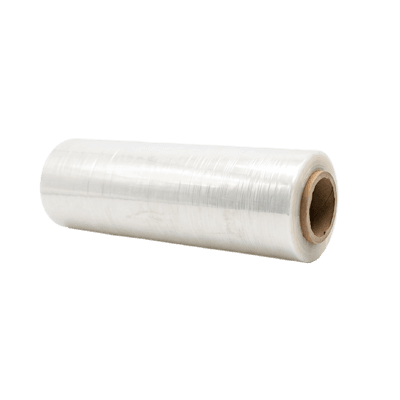
Hand Stretch Film
Flexible manual wrapping solution designed for warehouses, logistics and general pallet applications.
Learn More →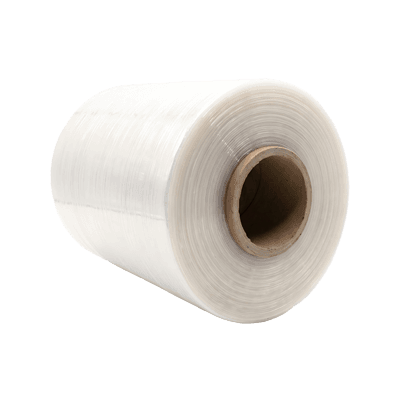
Jumbo Stretch Film
Large-format stretch film rolls designed for high-volume packaging requirements.
Learn More →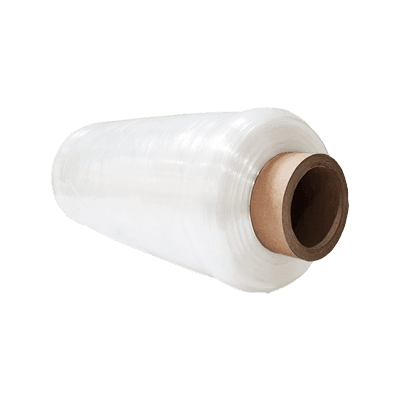
Pre-Stretch Film
Lightweight pallet wrapping solution helping reduce material consumption while maintaining load security.
Learn More →